

QUICK ANSWER
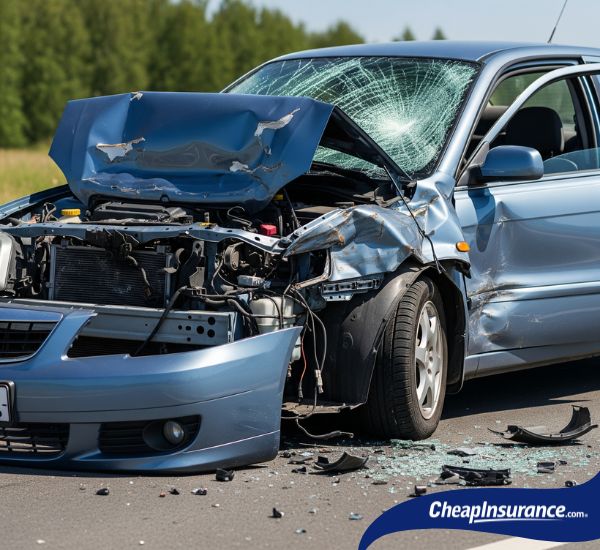
Collision insurance pays for repairs to your own vehicle if you hit another car, a stationary object like a pole, or if you are involved in a single car accident like a rollover. Unlike liability coverage, which pays for damage you cause to others, collision is optional unless required by a lender. It covers up to the actual cash value of your car minus your deductible, making it essential for protecting newer or financed vehicles.
While state laws mandate minimum liability, they don’t require you to protect your own car. That is an optional choice. Still, most people across the country add collision and comprehensive to their policies. This is because liability only pays for the other person’s mistakes. Collision insurance is what actually pays to fix or replace your own ride after a wreck.
This guide explores the mechanics of this coverage. It will help you decide if the cost is worth the benefit when you are looking for car insurance quotes.
The Basics: What Does It Actually Do?
Collision coverage is straightforward. It pays for damage to your car after it hits another vehicle or an object. It does not matter who caused the crash. You could rear-end a truck or slide into a guardrail on a rainy night; both are covered.
This differs from liability insurance, which only protects your bank account if you get sued or have to pay for someone else’s property. Liability limits are usually shown as three numbers, like 25/50/25. Those numbers represent thousands of dollars for bodily injury and property damage to others. They do nothing for your own bumper.
Real-World Scenarios
Collision insurance steps in during several common situations:
- You lose traction and hit a telephone pole.
- You hit a massive pothole and ruin your suspension or a rim.
- Someone hits your parked car and drives off.
- Your vehicle flips over in a single-car accident.
Unlike liability, there is no “limit” you choose for collision. Instead, the policy covers the Actual Cash Value (ACV) of the car.
Understanding Actual Cash Value (ACV)
ACV is not what you paid for the car three years ago. It isn’t the price of a brand-new model either. It is the market value of your car the second before the accident happened. Insurers take the replacement cost and drop it based on mileage, wear, and age. If your car is totaled, this is the maximum check you will get, minus your deductible.
Collision vs. Comprehensive: The Quick Divide
These two are often bundled as “full coverage,” but they handle different risks.
- Collision: Hits involving other cars or stationary objects.
- Comprehensive: “Acts of God” or events out of your control. This includes theft, fire, or hitting a deer.
If a tree falls on your car while it is parked, that is a comprehensive claim. If you drive into that same tree, it’s collision.
When Should You Buy It?
Since this coverage is optional, you have to weigh the cost.
- Lienholders: If you finance or lease, your bank will demand both collision and comprehensive. They want to protect their asset.
- Newer Vehicles: If you drive one of many expensive vehicles on the road today, a total loss could be a financial disaster.
- Older Cars: If your car is only worth $2,000 and your deductible is $1,000, you might be paying more in premiums than the policy is worth. At that point, many drivers drop the coverage to save money.
The Cost Factors
Your premium is not a random number. It is based on your driving history, your ZIP code, and the value of your car. Your deductible also plays a huge role. A $1,000 deductible makes your monthly bill lower, but it means you need to have that cash ready if you ever have an accident.
Frequently Asked Questions About Collision Insurance
What does collision insurance cover?
Collision insurance helps pay for damage to your own vehicle when you collide with another car or object, such as a pole, guardrail, or fence. Coverage applies regardless of who is at fault and pays for repairs or replacement of your car up to its actual cash value, minus your deductible.
Is collision insurance required by law?
Collision insurance is not required by state law. However, lenders and leasing companies usually require it if your vehicle is financed or leased. Many drivers also choose collision coverage voluntarily to avoid paying out of pocket for expensive repairs after an accident.
Does collision insurance cover hit-and-run accidents?
Yes. Collision coverage generally pays for damage to your vehicle caused by a hit-and-run accident. You would still be responsible for your deductible, but collision insurance can help cover repairs even if the other driver cannot be identified.
