

QUICK ANSWER
Driving automation is classified into six levels ranging from Level 0 (no automation) to Level 5 (full self driving). Most modern cars feature Level 1 or Level 2 systems, such as adaptive cruise control and lane keeping assist, which still require the driver to remain fully attentive. Level 3 allows for hands off driving in specific conditions, while Level 4 and Level 5 represent future technologies where the vehicle can operate without human intervention.
We’ve all heard the hype about cars that drive themselves, but the truth is a bit more complicated. It’s not just “self-driving” or “not self-driving.” There’s a whole scale of tech involved, ranging from a car that just keeps you in your lane to one that doesn’t even need a steering wheel.
This guide from CheapInsurance.com breaks down the six levels defined by SAE International. It’s the standard used by the NHTSA to help everyone understand exactly what a car can handle on its own.
Level 0: You’re Doing All the Work
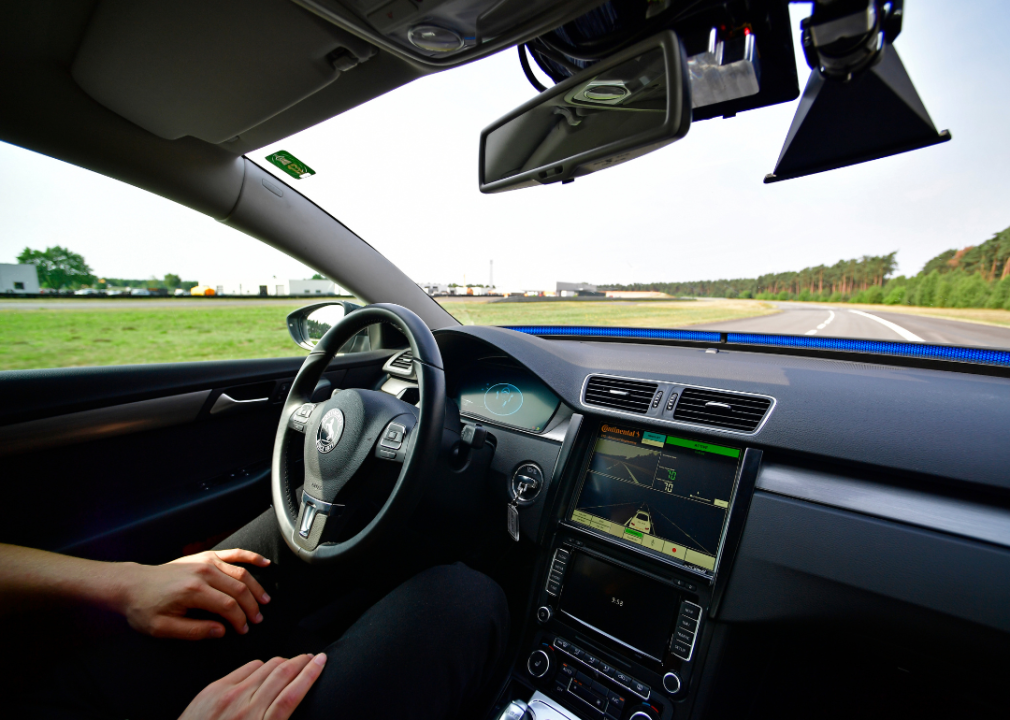
At Level 0, you are 100% in charge. Even if your car is brand new and has a bunch of safety features, it isn’t actually “driving.” It’s just watching.
- The Basics: Think of things like blind-spot beeps or that vibrating steering wheel when you drift over a line.
- The Emergency Stuff: Automatic emergency braking counts here too. It might stop the car for you to avoid a wreck, but it won’t keep you moving or navigate a turn.
Level 1: A Little Help
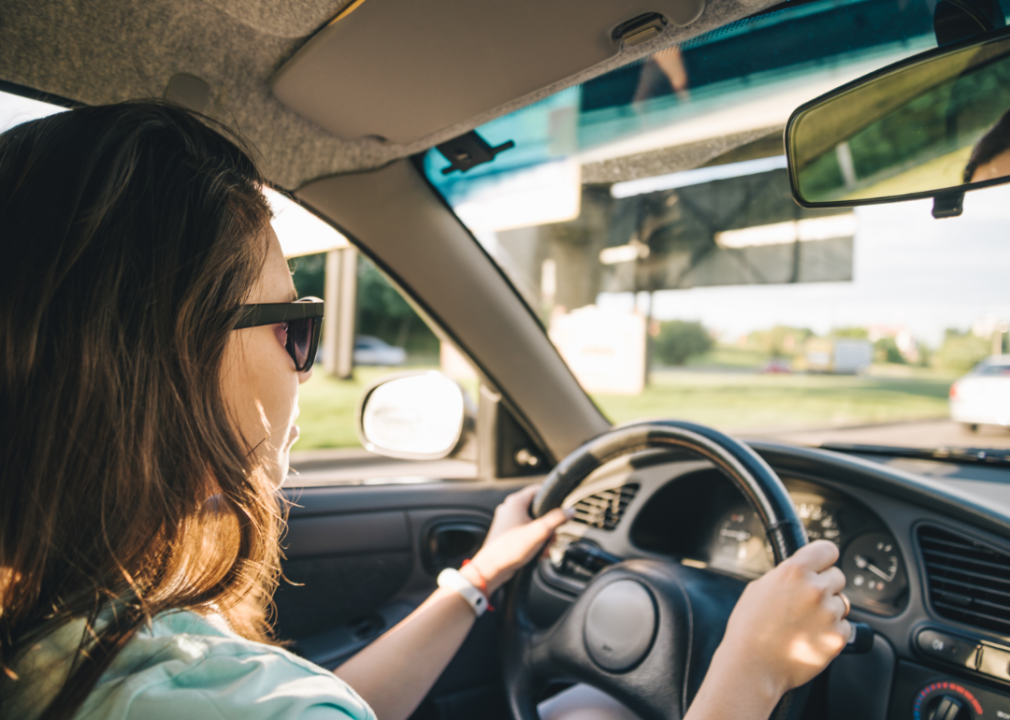
This is where the car starts to take over a single task. It can either help with steering or with your speed (braking/accelerating), but it cannot do both at the same time. You still have to keep your hands on the wheel and your eyes on the road.
- Common Examples: Standard advanced driver assistance systems like Adaptive Cruise Control (where the car speeds up and slows down based on traffic) or basic Lane Keep Assist.
Level 2: The Most Common “Smarter” Tech
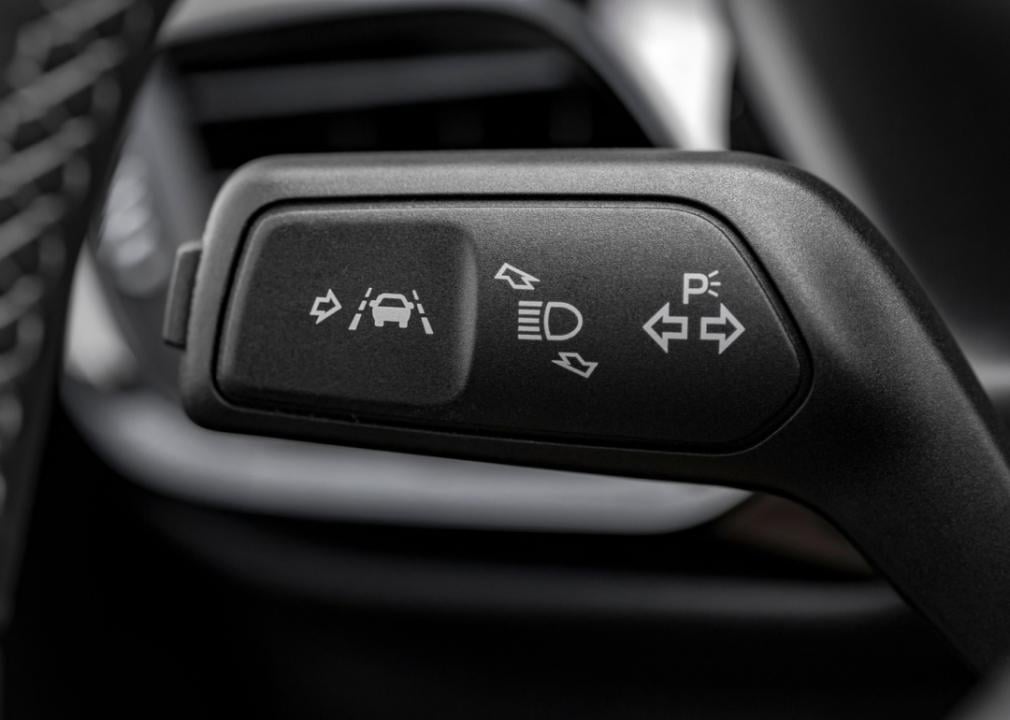
Most people who think they have a “self-driving” car are actually at Level 2. Here, the car can steer and manage speed simultaneously.
- The Reality: Even though the car is handling the pedals and the wheel, you’re still the pilot. You have to monitor the environment every second.
- Who’s Doing It: Tesla’s Autopilot, Ford’s BlueCruise, and GM’s Super Cruise are all Level 2. They make highway driving way less tiring, but they aren’t a “set it and forget it” solution.
Level 3: The Big Shift
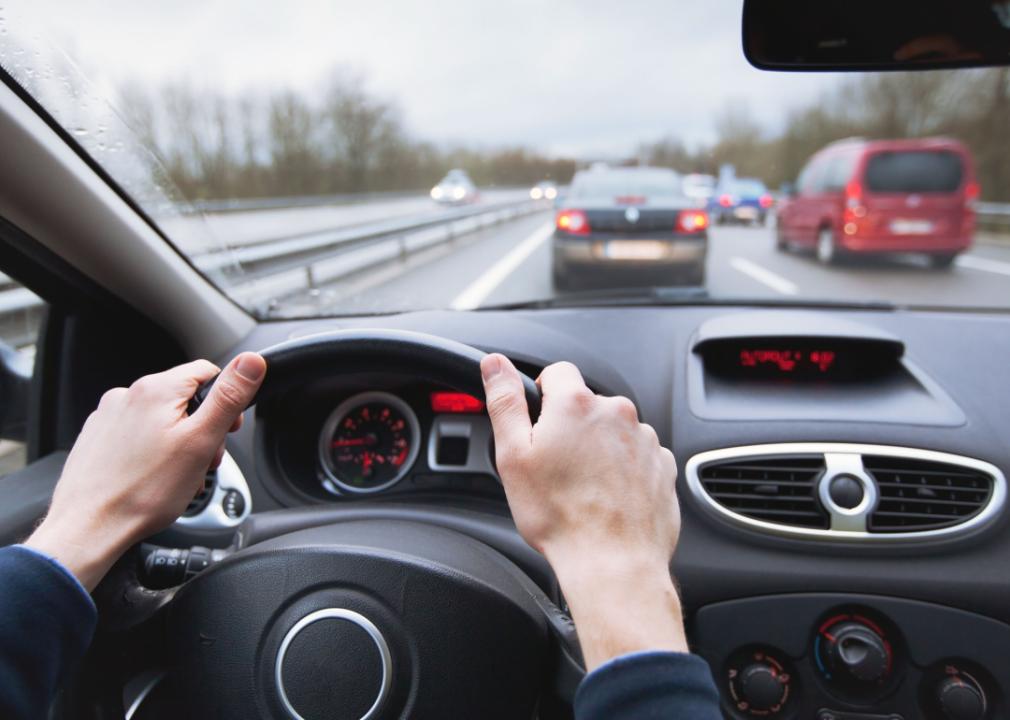
Level 3 is where things get interesting. For the first time, the car can actually “take over” the drive in specific situations, like slow-moving highway traffic.
- The Difference: You can actually take your eyes off the road to check a text or read a book, but you have to be ready to grab the wheel the second the car asks you to.
- Current Status: This is still pretty rare. Mercedes-Benz’s DRIVE PILOT is one of the only systems currently approved for this in a few states like Nevada and California.
Level 4: No Driver Needed (Mostly)
At Level 4, the vehicle is the driver. Within a specific area, like a geofenced downtown or a certain route, the car handles everything. It can even pull over and park safely if it hits a situation it can’t handle.
- Where to Find It: You’ll mostly see this in robotaxis like Waymo or Cruise. These cars are restricted to specific operational design domains, meaning they can’t just drive anywhere in any weather yet.
Level 5: The True Robot Chauffeur
This is the ultimate goal. A Level 5 car can drive anywhere a human can, in any weather, on any road. It doesn’t need a steering wheel or pedals.
- The Catch: We aren’t there yet. Level 5 is still a goal for the future and isn’t available for you to go out and buy today.
While the tech is cool, remember that unless you’re in a robotaxi, you are still legally responsible for what that car does. Most insurance companies still look at the person in the driver’s seat as the one liable if something goes sideways.
Frequently Asked Questions: Driving Automation
What are the six levels of driving automation?
The six levels range from Level 0 (no automation) to Level 5 (full self-driving). As the levels go up, the vehicle takes on more of the driving task and the driver is expected to do less. Most vehicles on the road today are Level 1 or Level 2, which still require the driver to stay fully attentive.
What is the difference between Level 2 and Level 3 automation?
Level 2 systems can steer and control speed at the same time, but the driver must continuously monitor the road and be ready to intervene instantly. Level 3 is a bigger shift because, in specific conditions, the vehicle can handle the driving task and the driver may look away briefly, but still must take over immediately when the system requests.
How does driving automation affect car insurance and liability?
Automation can change risk and accident patterns, but in most real-world scenarios today, the person in the driver’s seat is still considered legally responsible for the vehicle. Insurers may adjust premiums and underwriting based on features and automation level, but having driver-assistance tech does not automatically shift liability away from the driver.
