

QUICK ANSWER
Homeowners are facing a rise in insurance policy cancellations as insurers retreat from high risk areas prone to climate related disasters. Factors such as filing multiple claims, poor property maintenance, and rising rebuilding costs drive these non renewals. If coverage is dropped, homeowners should immediately shop for new quotes, address any property issues, and explore state backed insurance plans like the FAIR Plan if private options are unavailable.
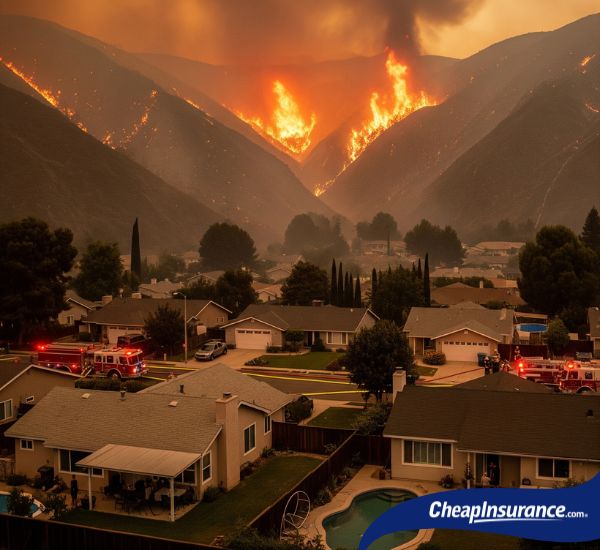
It is true that property insurance policy cancellations and non renewals are rising particularly in areas prone to natural disasters. This growing trend is due to a combination of factors primarily the increasing frequency and severity of climate related events like wildfires hurricanes and floods which are making it more expensive for insurers to operate in these regions. This shift is forcing homeowners to navigate a more challenging and often more costly insurance landscape.
CheapInsurance.com explores the reasons behind this trend analyzes its consequences for homeowners and provides actionable advice for securing the necessary coverage.
Federal Government Weighs In
In January 2025 the U.S. Department of the Treasury Federal Insurance Office (FIO) released a report on the homeowners insurance market. The report highlighted the concerning trend of rising insurance costs and decreasing availability of coverage. Critically the FIO findings directly linked these market challenges to the escalating frequency and severity of climate related events. This official recognition from a key federal body underscores the systemic nature of the problem emphasizing the direct impact of climate change on the stability and accessibility of homeowners insurance across the country.
Primary Reasons for Increased Cancellations and Non Renewals
Several key factors are driving this trend.
- Rising Climate Related Risks More frequent and severe natural disasters such as wildfires in California or hurricanes in Florida are causing substantial insured losses. Insurers are reassessing their risk exposure and in some cases withdrawing from high risk markets entirely.
- Increased Rebuilding Costs The cost of construction materials supplies and labor has risen significantly making it more expensive for insurers to pay out claims. This directly impacts their profitability.
- Higher Claim Frequency and Severity Data shows an increase in both the number of claims being filed and the average cost per claim.
- Insurers Financial Strain The combination of higher risks and costs is making it difficult for insurers to remain profitable in certain regions leading them to scale back their coverage or cease operations.
- Regulatory Constraints In some states regulations designed to protect consumers from steep rate hikes may unintentionally prevent insurers from charging premiums that accurately reflect the rising risk. This can lead insurers to reduce their exposure by canceling or non renewing policies instead.
- Homeowner Specific Factors
- Multiple Claims Filing several claims within a short period can flag a homeowner as high risk leading to a policy non renewal.
- Poor Property Maintenance A lack of proper home upkeep can be viewed by insurers as a higher risk prompting them to cancel or non renew a policy.
- Misrepresentation Providing false or incomplete information on an insurance application can be a direct cause for cancellation.
- Non Payment Failing to pay insurance premiums is one of the most common reasons for policy cancellation.
Current Trends and Their Impact
The shift in the insurance market is creating a new set of challenges and trends for homeowners nationwide.
- Geographic Retreat Major insurers like State Farm and Allstate have scaled back operations or stopped writing new policies in high risk areas of California due to wildfire concerns. A similar trend is happening in other states prone to severe weather.
- Increased Reliance on State Backed Insurance As private insurers pull out homeowners are increasingly turning to state backed insurance programs often referred to as insurers of last resort. These programs such as the FAIR Plan in California and Citizens Property Insurance Corporation in Florida are growing significantly.
- Growing Claim Denials There has been an increase in the number of claim denials meaning even homeowners with coverage may struggle to receive the financial relief they expect after a disaster.
What Homeowners Can Do to Secure Coverage
Navigating this evolving landscape requires a proactive approach.
- Understand Why You Were Canceled If your policy is canceled or not renewed contact your insurer immediately to understand the specific reason. This information is crucial for your next steps.
- Shop Around Aggressively Start looking for new quotes right away. Use an independent insurance agent or broker who works with multiple insurers to increase your chances of finding a new policy.
- Consider Resiliency Measures Take proactive steps to mitigate risks to your property. Some insurers offer discounts for risk reduction measures such as creating defensible space around a home to protect against wildfires.
- Maintain Your Property Regular maintenance can prevent issues that lead to policy non renewal.
- Be Honest on Applications Always provide accurate information on insurance applications to avoid policy cancellation due to misrepresentation.
Insurers of Last Resort Are They a Good Option
When all other options are exhausted homeowners may have to turn to state backed plans. It is important to understand the pros and cons.
- What They Are These plans are a crucial safety net for homeowners who cannot find coverage in the private market. They are established by state law and are often funded through assessments on private insurers.
- Affordability Generally these last resort options are not affordable compared to traditional policies. Their premiums are often significantly higher because they are designed to cover high risk properties. For example the California FAIR Plan and Florida Citizens policies are known to be more expensive than policies from the voluntary market.
- Coverage Limitations The protection offered by these plans is typically limited and bare bones. They often provide basic coverage for specific perils like fire but may not cover other risks such as wind hail or liability. The coverage limits can be lower and some policies may only pay out the actual cash value (ACV) of a loss rather than the more comprehensive replacement cost value (RCV).
While a last resort policy is better than having no insurance at all it is not a substitute for the broader protection offered by a standard policy. The goal of these plans is to provide a temporary safety net until a homeowner can find coverage with a traditional carrier.
Frequently Asked Questions About Home Insurance Policy Cancellations
Why are home insurance policies being canceled more often?
Home insurance cancellations are rising due to increased risk from severe weather, higher rebuilding costs, and larger claim payouts. Insurers are reassessing exposure in high-risk areas, especially regions affected by wildfires, hurricanes, floods, and hail, and may reduce coverage or exit certain markets altogether.
What factors can put your home insurance policy at risk of cancellation?
Common risk factors include repeated claims, living in a high-risk disaster area, deferred home maintenance, outdated roofs or electrical systems, and changes in underwriting rules. Even homeowners who have never filed a claim may face non-renewal if insurers change their risk tolerance in a specific area.
What should homeowners do if their insurance is canceled or not renewed?
If your policy is canceled or non-renewed, start shopping for replacement coverage immediately. Comparing multiple insurers, improving home mitigation features, and asking about state-backed or last-resort insurance options can help prevent coverage gaps. Maintaining continuous coverage is critical, especially if you have a mortgage.
