

QUICK ANSWER
While speed bumps are designed to slow traffic they often lead to unintended consequences such as vehicle damage and increased noise pollution from constant braking and accelerating. Studies suggest that these physical barriers can delay emergency response times for ambulances and fire trucks. Furthermore drivers often seek alternate routes through residential neighborhoods to avoid these obstacles which can simply displace the traffic problem rather than solving it.
For decades the default solution for slowing traffic and enhancing pedestrian safety has been the installation of speed bumps. While the intention is to create safer streets research and community feedback suggest that this approach may be less effective than originally thought. The auto insurance landscape is also impacted by these physical measures as vehicle damage and liability questions often arise. Cheap Insurance helps you understand the evidence against physical traffic calming devices and explores the modern alternatives that are reshaping road safety.
The Reality of Speed Reduction
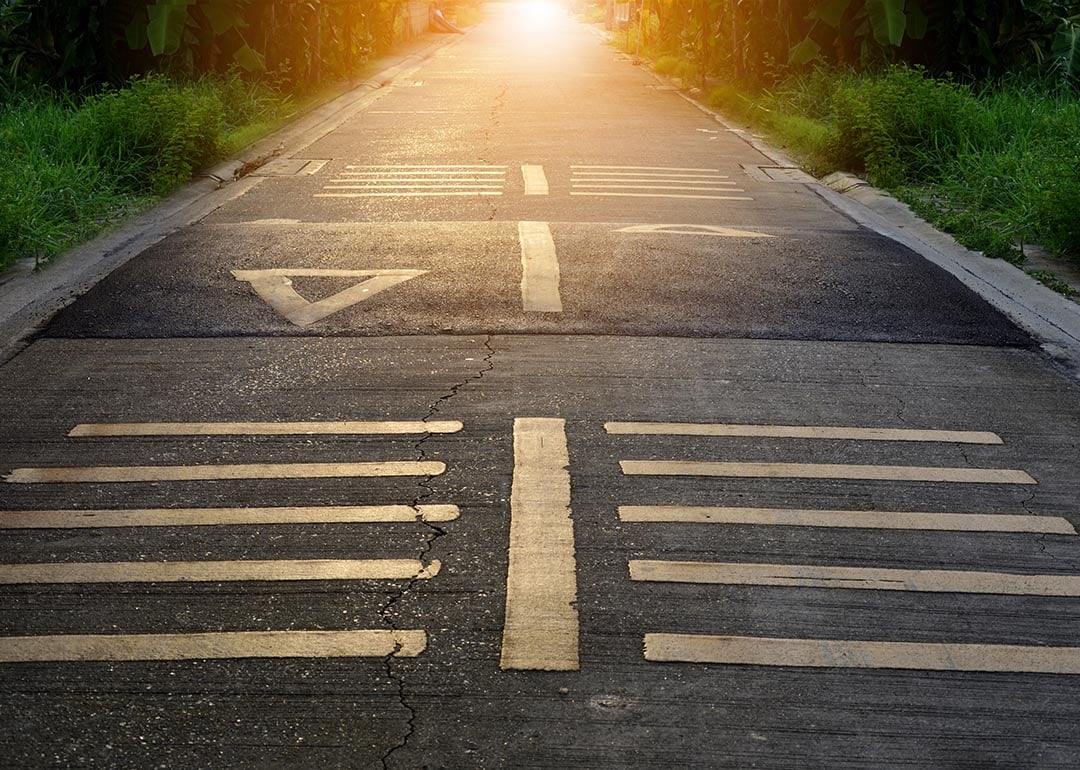
The effectiveness of speed bumps in reducing average speeds is often overstated. Studies from transportation agencies indicate that while speed humps and bumps can reduce speeds by 5 to 10 mph this effect is highly localized. Drivers tend to slow down only directly at the obstacle before accelerating again. This yo yo effect fails to sustain lower speeds and can actually be less safe than maintaining a consistent pace.
Distinguishing Physical Traffic Calming Devices
It is important to understand the differences between the various physical devices used on roadways.
Speed Bumps These are short abrupt vertical obstacles designed to force significant speed reduction. They are most effective in low speed environments like parking lots.
Speed Humps A longer and more gradual raised section of pavement speed humps are less jarring than bumps and are typically found on residential streets.
Raised Crosswalks and Intersections These elevate the intersection to the level of the sidewalk making pedestrians more visible and compelling drivers to slow down.
Traffic Circles and Roundabouts These force drivers to navigate a curved path naturally reducing speeds at intersections and improving traffic flow.
The Unintended Consequences of Physical Barriers
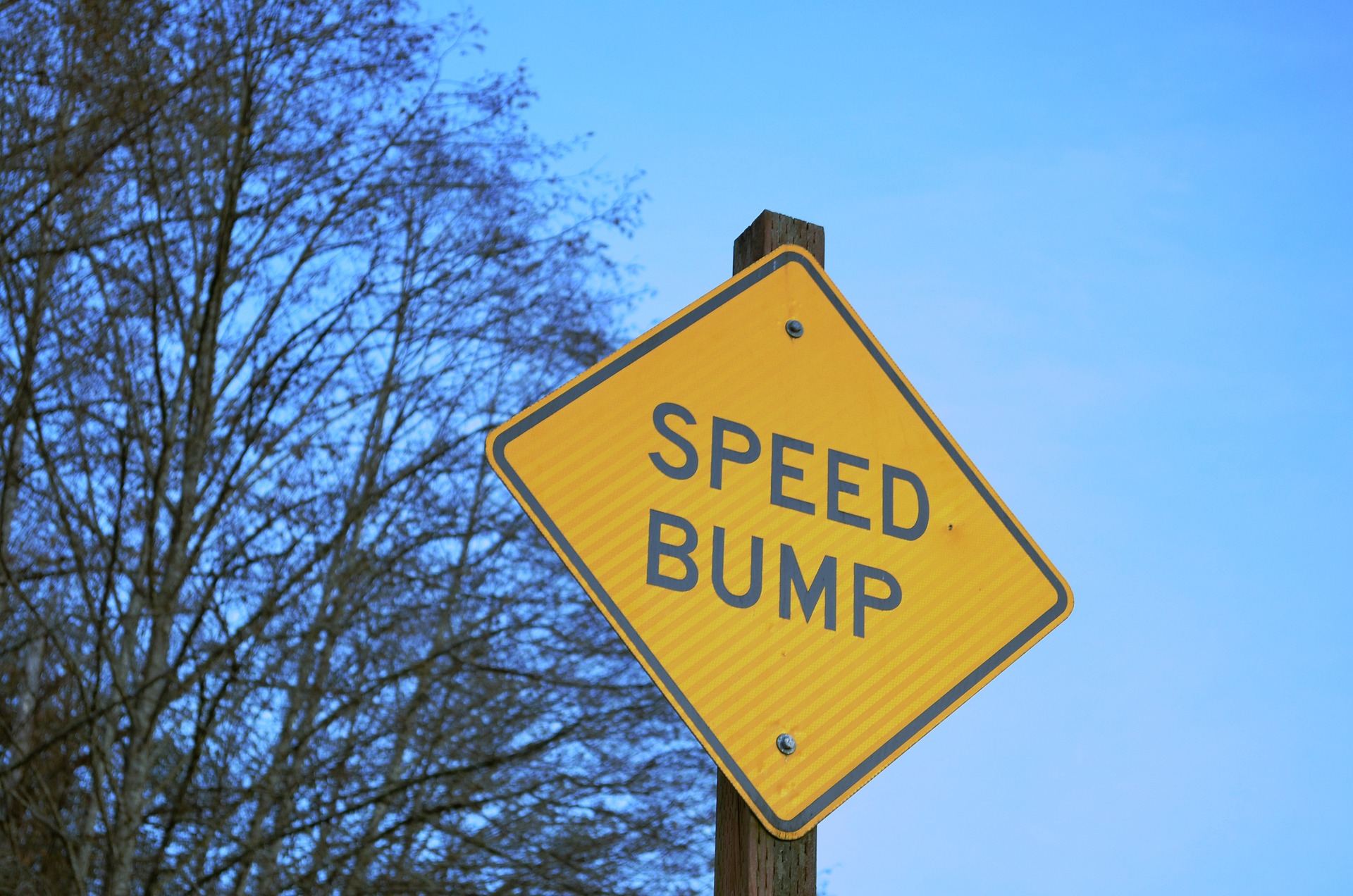
While often seen as a low cost solution speed bumps can create a host of problems that affect drivers the environment and emergency services.
Safety Risks and Emergency Delays Physical barriers pose risks for vulnerable road users such as cyclists and motorcyclists who may lose control. For emergency vehicles the need to slow down for each bump can cause critical delays in reaching a destination.
Vehicle Wear and Tear The repeated deceleration and acceleration required by speed bumps can lead to premature wear on vehicle suspension tires and brakes. This increases maintenance costs for drivers and can lead to mechanical failures.
Environmental Impact Frequent braking and engine revving increase fuel consumption and exhaust emissions contributing to air pollution. The constant jolting also creates noise pollution in residential areas.
The Repair Cost Paradox
A common mistake is assuming that physical traffic calming devices save money by preventing accidents. However the long term costs often outweigh the initial savings.
Maintenance and Damage The cost of maintaining these devices combined with the damage caused to vehicles creates a significant financial burden.
Insurance Claims Damage to vehicles caused by speed bumps can lead to insurance claims. Significant damage such as a cracked oil pan or broken suspension may be covered under collision coverage but this depends on the specific policy terms.
Modern Alternatives to Physical Barriers
Effective traffic calming does not have to rely on physical obstacles. Innovative solutions are proving to be more effective and sustainable.
Street Design Strategies Lane narrowing visually encourages drivers to slow down while curb extensions shorten the crossing distance for pedestrians. Chicanes introduce gentle curves to break up long stretches of straight road.
Traffic Management Technology Speed cameras and automated enforcement systems can monitor speeds without physical disruption. Smart signs can adjust speed limits in real time based on conditions and data driven analytics allow cities to identify specific problem areas.
Community Engagement Working with residents to raise awareness about the dangers of speeding is a powerful tool. Education and advocacy can foster a culture of safety that physical barriers cannot achieve alone.
Does Car Insurance Cover Speed Bump Damage
Drivers often wonder if their insurance policy covers damage resulting from driving over a speed bump. The answer depends on the type of coverage and the circumstances.
Collision Coverage This is typically required to cover damage from hitting an object such as a speed bump. It helps pay for repairs to the vehicle suspension or body.
Comprehensive Coverage This usually covers damage from non collision events like theft or vandalism and generally does not apply to speed bump impacts.
Wear and Tear Minor scrapes and scratches are often considered wear and tear and are not covered by standard policies.

Your Action Plan for Road Safety and Insurance
To ensure you are protected against the risks associated with road hazards follow these steps.
Review Your Policy Carefully read the terms of your collision coverage to understand what is covered regarding road hazards and vehicle damage.
Drive Responsibly Adhering to speed limits and being aware of surroundings is the best way to avoid damage and accidents.
Document Any Damage If your vehicle is damaged by a speed bump take photos and videos of the damage and the location to support any potential insurance claim.
Shop Around Different insurance companies offer varying levels of coverage for vehicle damage. Compare quotes to find the policy that best suits your needs and budget.
Frequently Asked Questions About Traffic Calming Devices
Do speed bumps actually reduce traffic accidents?
Evidence suggests that speed bumps have limited impact on reducing accidents. While they may slow traffic temporarily, studies show that they often do not prevent collisions and can lead to unintended consequences such as increased braking or erratic driving.
Can traffic calming devices like speed bumps cause other safety issues?
Yes. Physical traffic calming devices can increase vehicle wear, cause abrupt braking, and even lead to collisions or injuries. Emergency vehicles may also be slowed down, which can create safety risks in critical situations.
Are there better alternatives to speed bumps for slowing traffic?
Non-physical measures such as improved signage, road design changes, and community education programs are often more effective at reducing speeding and improving safety without the negative side effects of physical traffic calming devices.
