

QUICK ANSWER
A driver who discovers their parked car has been hit should immediately document the damage with photos and file a police report to establish an official record of the incident. If the responsible party cannot be identified, the vehicle owner typically needs to file a claim under their own collision coverage or uninsured motorist property damage protection. While liability only policies do not cover these repairs, comprehensive insurance options provide financial security against such hit and run events.
A hit and run is basically the nightmare scenario for any driver. You walk out to the parking lot groceries in hand only to find your bumper smashed in or a long scrape down the side door. The car that did it is gone and there is no note on the windshield. It feels like a punch to the gut. This is considered a crime in every state and dealing with the aftermath is stressful but handling it the right way immediately can protect your wallet and make the insurance process a lot less painful.
What Is a Hit and Run?
This type of accident happens whenever a driver crashes into a parked vehicle or property and takes off without identifying themselves. The law says a driver has to make a reasonable effort to find the owner. If they cannot find you they are legally required to leave a note with their name contact info and a brief explanation of what happened. They might also need to file a police report depending on how bad the damage is. Fleeing the scene turns a simple accident into a crime often charged as a misdemeanor when property damage is involved.
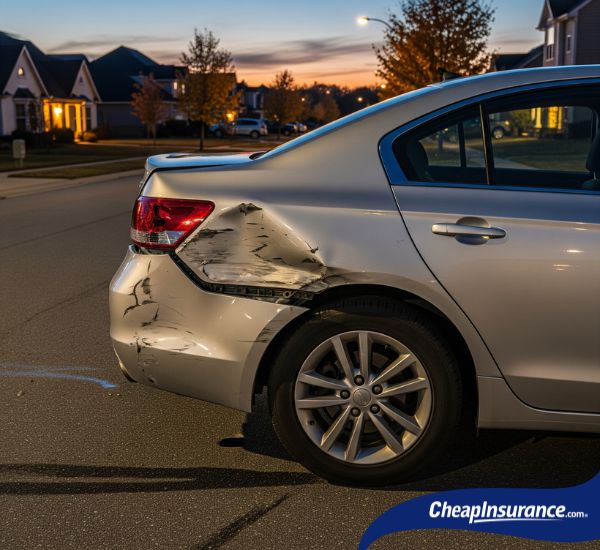
What to Do If Someone Hits Your Parked Car
Finding your car damaged requires you to stay calm and act methodically.
Contact the Police right away. Since a crime technically took place you need an official accident report to file your insurance claim. Make sure you get the report number and the officer name.
Document the Accident with your phone. Take clear photos of the damage from different angles and snap pictures of the entire scene including any debris on the ground or tire marks. Write down the time and exact location.
Notify Your Insurer as soon as possible. Calling them while the details are fresh helps the claims process move faster.
If the At Fault Driver is Gone you have to play detective. Look around for security cameras on nearby businesses that might have recorded the license plate. Ask anyone standing nearby if they saw the crash happen.
If the At Fault Driver Left a Note you are in luck. File a third party claim with their insurance company. You just need to verify their info and get their side of the story.
What Insurance Covers a Hit and Run?
Your coverage depends entirely on the specific policy details you chose.
Collision Coverage is the main way to pay for repairs in this situation. It pays to fix your vehicle regardless of who is at fault although you will have to pay your deductible first.
Uninsured Motorist Property Damage applies in many states because the law treats a fleeing driver the same as an uninsured one. This coverage often comes with a lower deductible than collision.
Minimum Liability Coverage does not help you here. Liability only pays for damage you cause to other people. If this is the only coverage you have you will likely be stuck paying for repairs out of your own pocket.
Filing an Insurance Claim for a Hit and Run
The process changes based on whether you know who hit you.
If you know the At Fault Driver you file a claim directly with their insurer. This is the best case scenario because you avoid paying your deductible and your own premium stays safe.
If you cannot find the At Fault Driver you have to file a claim with your own insurer using your collision or uninsured motorist coverage. Have your policy number and the police report ready when you call.
Will Your Insurance Rates Go Up?
Drivers often worry that their premiums will spike after a claim. Filing against the other driver insurance should not affect your rates at all. Filing a claim on your own car insurance might lead to an increase although many states have laws preventing rate hikes for not at fault accidents. If your rate does jump it might be the right time to shop around for a new provider.
Frequently Asked Questions About Hit-and-Run Incidents
What should I do immediately after my parked car is hit?
First, document the damage by taking photos and noting the time and location. Check for any witnesses or security cameras that may have recorded the incident. Then, report the accident to your local police department to create an official police report.
Will my insurance cover damage from a hit-and-run?
Coverage depends on your insurance policy. Comprehensive coverage or uninsured motorist property damage coverage usually applies to hit-and-run accidents. Contact your insurance company promptly to file a claim and provide any evidence you collected.
How can I protect myself from hit-and-run incidents in the future?
Parking in well-lit, secure areas, installing dash or parking lot cameras, and keeping your car locked can reduce the risk. Regularly reviewing your insurance coverage ensures you are protected against uninsured or hit-and-run damages.
