

QUICK ANSWER
Hail damage is covered under comprehensive auto insurance, which protects against non collision events like weather and falling objects. If you only have liability coverage, you will be responsible for the full cost of repairs. When filing a claim, policyholders must pay their deductible first, and while a single hail claim is unlikely to drastically raise rates, frequent claims in high risk areas can impact future premiums.
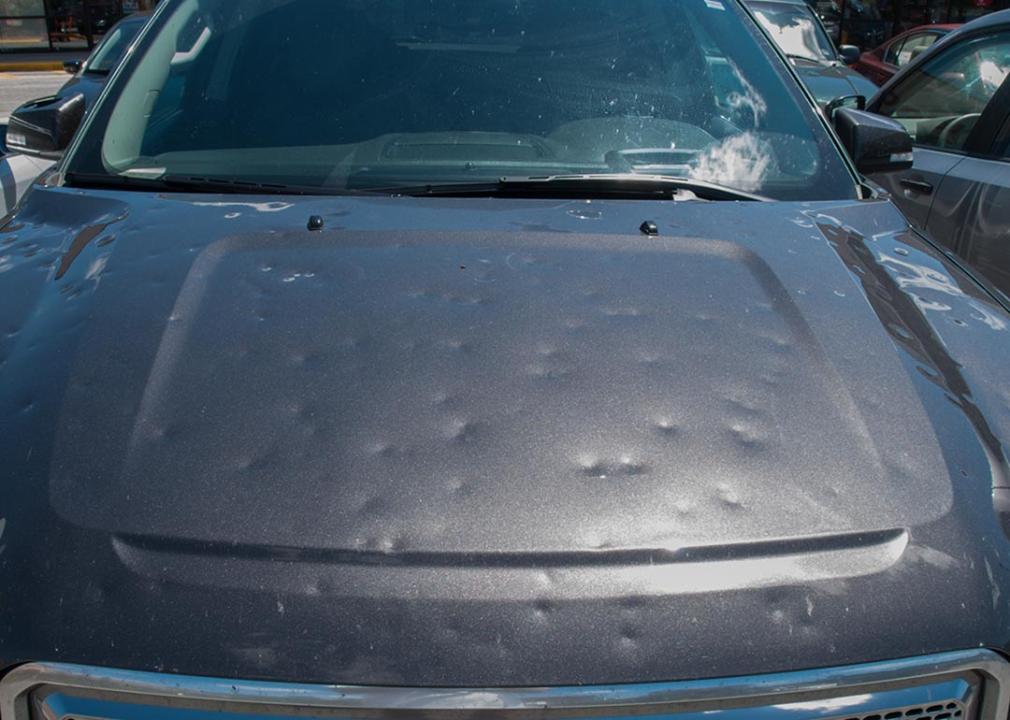
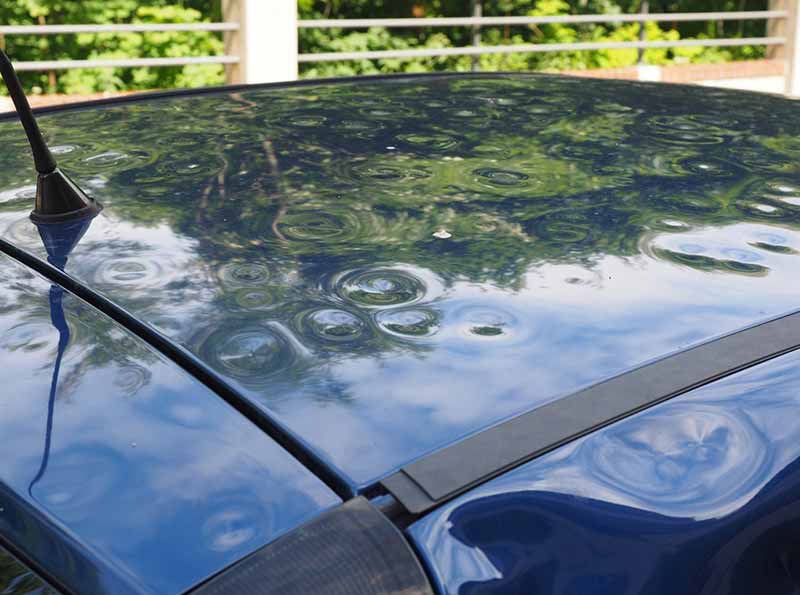
When a major hailstorm rolls through, the sound of ice hitting metal can be sickening for a car owner. In a matter of minutes, a vehicle can go from pristine to looking like the surface of the moon. As severe weather events become more frequent, knowing how your insurance works before the clouds turn grey is vital.
This guide from CheapInsurance.com explains exactly which policies pay for hail, which states are the “Danger Zones,” and what to expect if you have to file a claim.
Where the Ice Hits Hardest
While hail can happen anywhere, certain states consistently lead the pack in insurance claims. These areas are part of what meteorologists often call “Hail Alley.”
Top 5 States for Hail Claims (2024-2025 Data)
- Texas: The undisputed king of hail damage, with over 800 major events recorded in 2024 alone.
- Kansas: Frequently hit by severe storms that produce large, damaging stones.
- Missouri: Recently saw a massive jump in claims due to intense spring storms.
- Colorado: The “Front Range” area is a prime target for high-altitude hailstorms.
- Nebraska: High frequency of storms combined with heavy agricultural exposure.
The Coverage Gap: Comprehensive vs. Liability
The single most important thing to know is that Liability insurance does not cover hail. If you only have the state-mandated minimum, you’ll be paying for those dents out of your own pocket.
- Comprehensive Coverage: This is the only type of insurance that covers “Acts of God” like hail, floods, or fire. It is often called “Other Than Collision” coverage.
- The Deductible Factor: You will have to pay your deductible first. If the repair costs $3,000 and your deductible is $500, the insurance company sends you a check for $2,500.
- Total Loss: Hail is famous for “totaling” cars. Because hail hits every panel of the car at once, the cost to fix all those tiny dents can sometimes exceed the actual cash value (ACV) of the vehicle.
Will a Claim Raise Your Rates?
This is a tricky area. Because a hailstorm isn’t your fault, many states prevent insurers from raising your individual rate for a single weather claim. However, there are two ways it can still cost you:
- Regional Hikes: If a massive storm hits your entire city and everyone files a claim, the insurance company might raise rates for that whole zip code to cover their losses.
- The CLUE Report: Every claim you file goes onto your CLUE report, which is a national database. If you have a history of frequent claims, you might be seen as a higher risk over time.
How to Handle a Hail Claim
If the damage is done, you need to act fast. Following a major storm, body shops fill up quickly.
- Document Everything: Take photos and videos immediately. Do not wash the car or try to “pop” the dents yourself before the adjuster sees them.
- Check the Glass: Hairline cracks in the windshield can spread fast. Many insurers offer a separate glass benefit that might even have a $0 deductible.
- Choose Your Repair Method:
- Paintless Dent Removal (PDR): This is the “magic” fix for hail. Techs use tools to massage the metal back into place from the inside out, keeping your original paint intact.
- Traditional Bodywork: If the hail was large enough to crack the paint, you’ll need traditional filling and repainting.
The Bottom Line: If you live in a high-risk state, having comprehensive coverage isn’t just a suggestion, it’s a financial shield. A single storm can easily do $5,000 in damage, making that monthly premium well worth the cost.
Frequently Asked Questions About Hail Damage and Car Insurance
Does car insurance cover hail damage?
Yes, car insurance can cover hail damage if you have comprehensive coverage on your policy. Comprehensive insurance pays for non-collision events such as hail, storms, falling objects, theft, vandalism, and fire. Liability-only coverage does not pay for damage to your own vehicle, including hail damage.
Will I have to pay a deductible for a hail damage claim?
In most cases, yes. Comprehensive claims are subject to the deductible you selected when buying your policy. If the cost to repair the hail damage is less than your deductible, insurance will not pay anything. If the repair cost exceeds the deductible, insurance typically pays the remaining amount.
Can a hail damage claim increase my insurance rates?
Hail damage is generally considered a no-fault comprehensive claim, meaning it usually does not increase rates the same way an at-fault accident might. However, frequent comprehensive claims or living in a hail-prone area can influence future premiums over time, depending on the insurer.
