

One of the most persistent myths in the automotive world is that driving a red car will hike up your insurance premiums. In reality, your insurance company does not care if your car is “Rosso Corsa” red or “Yulong” white.
This guide from affordable car insurance provider CheapInsurance.com clears up the confusion and explains what actually drives your rates.
Why the Red Car Myth Won’t Die
The idea that red cars are more expensive to insure persists because it feels logical. People often associate red with speed, aggression, and sports cars. While insurers don’t track paint color, there are two reasons this misconception stays alive:
- The Performance Link: Red is a top choice for high-performance sports cars. These vehicles are naturally more expensive to insure due to their engine power and high repair costs. The price jump is caused by the car’s horsepower and MSRP, not the paint.
- Resale Value and Demand: Common colors like white, black, and gray often hold their value better than niche shades. While a higher resale value can slightly increase the “Insured Declared Value” of the car, the color itself remains a non-factor in the underwriting math.
Ultimately, insurers rely on your Vehicle Identification Number (VIN). The VIN tells the company the car’s make, model, trim, and safety features, but it typically does not contain a color code.
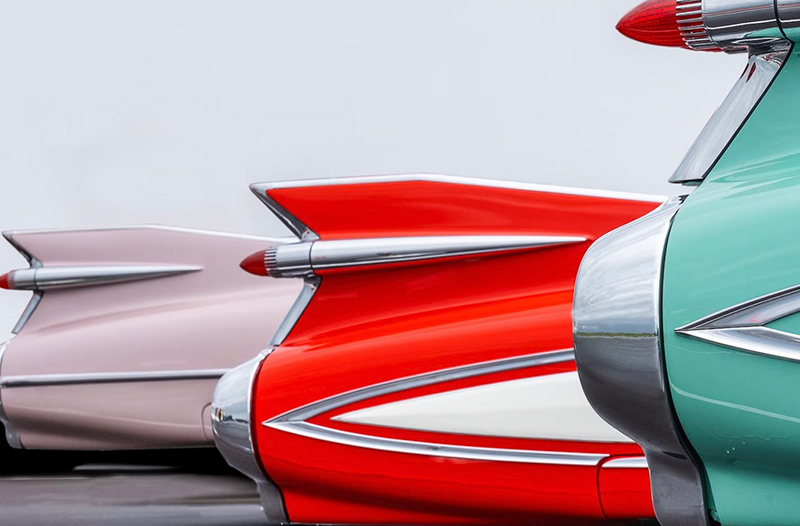
When Color Actually Matters
There is one specific scenario where the look of your car affects your bill: if you move away from factory standards.
- Custom Paint and Wraps: A standard policy covers your car as it came from the factory. If you spend $5,000 on a custom matte wrap or a high-end pearlescent paint job, you must report these as aftermarket modifications.
- Custom Parts Endorsements: To protect your investment, you may need a “Custom Parts and Equipment” (CPE) endorsement. This covers repairs for expensive custom paint that standard collision coverage would ignore.
What Really Decides Your Car Insurance Rates?
If you want to lower your premium, ignore the paint aisle and focus on these data points that insurers actually use:
Factor | Why It Matters |
Driving Record | A single speeding ticket or at-fault accident is the #1 cause of rate hikes. |
ZIP Code | Insurers look at local theft rates, weather risks, and litigation trends in your area. |
Safety Features | Modern cars with Automatic Emergency Braking or Lane Assist often qualify for discounts. |
Credit-Based Score | In most states, a higher credit score correlates with lower insurance risk. |
Annual Mileage | The less you drive, the lower your statistical chance of being in a collision. |
The Bottom Line: Your insurance company is interested in how you drive, not how your car looks in the driveway. By maintaining a clean record and choosing a vehicle with high safety ratings, you can secure a great rate regardless of whether your car is red, blue, or neon green.
Frequently Asked Questions About Car Color and Insurance
Does the color of my car affect my insurance rates?
No, car color does not directly affect insurance rates. Insurers calculate premiums based on factors like driving record, vehicle type, age, location, and coverage limits, not the color of your car.
Can a red car cost more to insure?
Despite common myths, red cars do not automatically cost more to insure. Insurance companies focus on risk and accident statistics rather than the vehicle's color, so a red car is treated the same as any other color.
What factors do affect my car insurance rates?
Key factors that impact car insurance rates include your driving history, age, location, type of vehicle, coverage levels, and claims history. Safety features, mileage, and credit scores may also play a role in calculating your premium.
