

QUICK ANSWER
Dashcams serve as impartial witnesses in vehicle accidents, providing real time video evidence that can speed up insurance investigations and resolve liability disputes. While installing one rarely leads to a direct premium discount, the footage can protect drivers from fraudulent claims and at fault designations that would otherwise raise their rates. However, drivers must be aware of local privacy laws regarding audio recording and windshield placement to ensure their use remains legal.
Vehicle accidents are unpredictable. They are stressful. And often they devolve into a messy game of he said she said.
As technology evolves dashcams have become crucial tools for drivers. They provide an impartial record of events on the road. This real time video evidence can be invaluable for protecting you from fraudulent claims and simplifying the claims process which can translate to Cheaper Insurance Rates.
A dashcam acts as an unbiased witness. It captures the road ahead and the events leading up to a collision. This footage can be a game changer when it comes to determining fault.
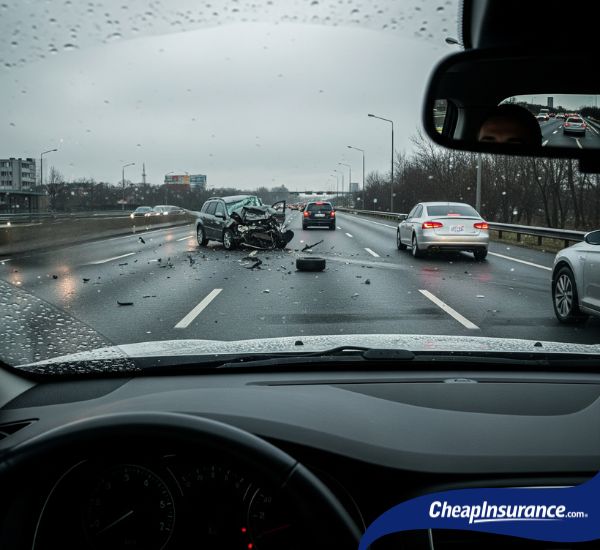
The Role of Dashcams in Car Insurance
Auto insurance companies have taken notice of the growing prevalence of dashcams. While a dashcam alone may not directly lower your premiums it can have a significant indirect impact on your costs.
Faster Investigations Dashcam Footage provides a clear objective view of an accident. It eliminates the need to rely on conflicting verbal accounts. This allows adjusters to investigate claims more efficiently leading to faster settlements.
Preventing Fraud The video evidence can expose crash for cash schemes and other types of insurance fraud. This helps protect both you and your insurer from financial loss.
Clearer Determination of Fault In accidents where liability is disputed a video provides irrefutable proof. This ensures you are not wrongly blamed for a collision you did not cause. This is crucial because at fault accidents almost always lead to higher rates.
The Double Edged Sword While a dashcam can be your best friend it can also be used against you. If the footage shows you were speeding or distracted the video serves as incriminating evidence. An insurance company may use it to deny your claim or place full blame on you.
Privacy and Legal Concerns
The continuous recording raises important privacy questions. You need to be aware of the laws in your area.
State Specific Laws Dashcam legality varies by state. While the cameras are generally legal laws often dictate where they can be mounted on the windshield to prevent obstructing your view.
Audio Recording Consent Some states operate under a one party consent rule meaning only one person needs to know about the recording. Others require all party consent. This is particularly important for cameras that record the interior of the vehicle.
Data Storage Concerns exist about who can access the recorded data. Most modern dashcams use a continuous loop recording system that automatically overwrites old footage but critical events are typically saved.
Law Enforcement and Dashcams
Police officers recognize the value of this footage too. It serves as an objective tool that aids in investigations.
- Objective Accident Investigations Officers can use footage to reconstruct the sequence of events leading up to a crash.
- Upholding Accountability Dashcams provide an unbiased record of interactions with law enforcement protecting both drivers and officers.
A dashcam is an excellent investment for any driver. It acts as an impartial witness that can protect you from false claims and accelerate the insurance process. While you should not expect a direct discount for having one the long term savings from avoiding claim disputes can be substantial.
Before buying one research your state laws on placement and audio recording. Choosing a model that fits your needs is the best way to leverage this technology for a safer drive.
Frequently Asked Questions About Dashcams and Car Insurance
How can dashcams help after a vehicle accident?
Dashcams can provide clear video evidence of what happened before, during, and after a crash. This footage can help establish fault, clarify disputed details, and speed up the claims process by giving insurers an objective view of the incident.
Do dashcams lower car insurance premiums?
Most insurers do not offer automatic discounts just for owning a dashcam. However, dashcam footage can indirectly protect your rates by helping you avoid being wrongly assigned fault in an accident or by supporting your version of events during a claim.
Are dashcams legal to use in every state?
Dashcams are generally legal, but state laws vary on where they can be mounted and whether audio recording is allowed. Some states require consent for recording audio inside the vehicle, so it is important to check local laws and disable audio recording if necessary.
