

QUICK ANSWER
Telematics technology is revolutionizing car insurance by allowing premiums to be based on actual driving behavior rather than just demographics. By using plug in devices or smartphone apps insurers track data points like speed braking and mileage to create a personalized driving score. This usage based insurance model rewards safe drivers with significant discounts and incentivizes better habits on the road although it raises some privacy concerns regarding data collection.
Car insurance is evolving, moving away from a one-size-fits-all approach to a more personalized, data-driven model. At the heart of this transformation is telematics, a technology that tracks driving behavior to create a unique “driving scorecard” for each user. This innovation empowers safe drivers to lower their insurance premiums and encourages better habits on the road. In this article CheapInsurance.com explores all things Telematics.

What is Telematics and How Does it Work?
Telematics combines telecommunications and informatics to collect and analyze data about a vehicle and its driver. Insurers use this technology in usage-based insurance (UBI) programs, where premiums are based on how and when you drive, not just on broad demographic factors.
There are two primary ways telematics data is collected:
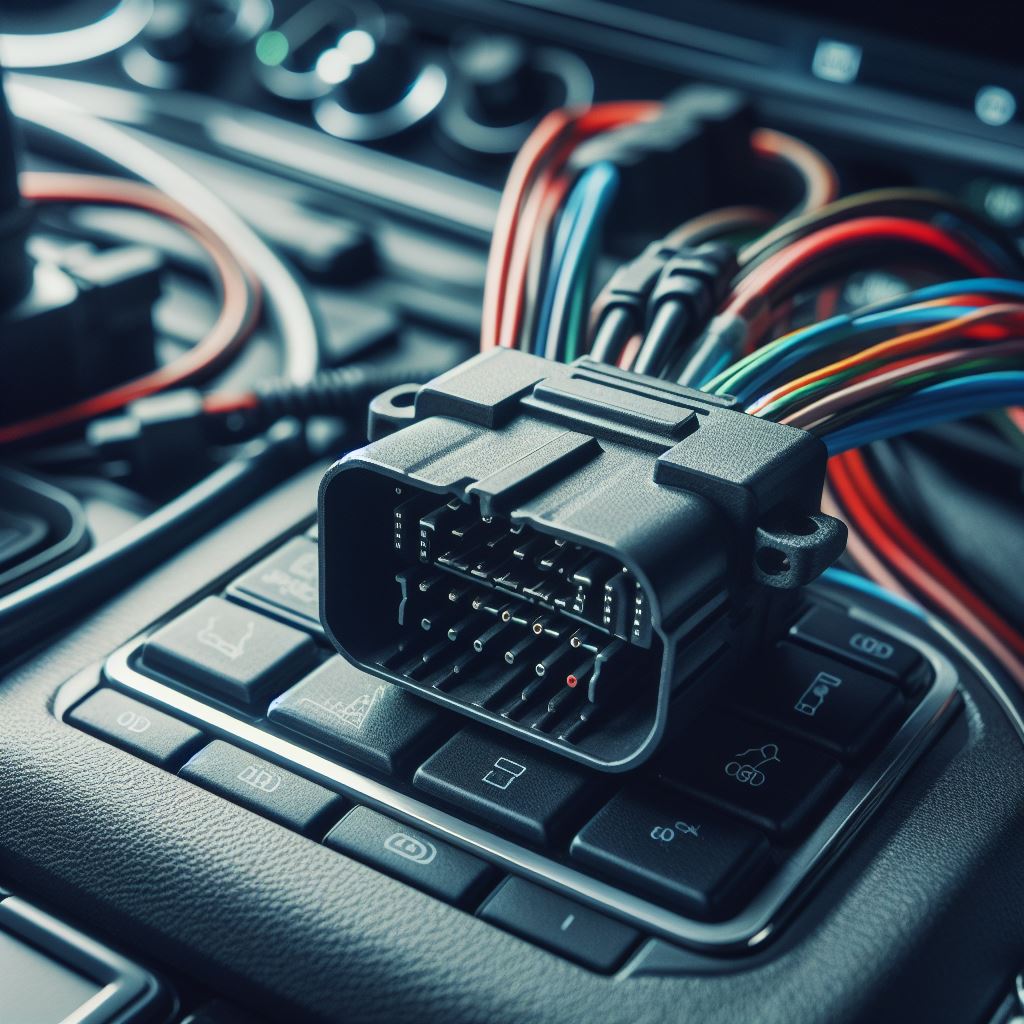
- Plug-in Devices: A small device is plugged into the vehicle’s onboard diagnostic (OBD-II) port, usually located under the dashboard. This device collects data and transmits it wirelessly to the insurer.
- Smartphone Apps: Many insurance companies now offer apps that use the phone’s built-in sensors and GPS to track driving behavior.
The data collected is transmitted securely to the insurance company, which then analyzes it to generate a “driving score.”
What Data Does Telematics Track?
Telematics goes beyond simply tracking speed. The data provides a comprehensive picture of driving habits, including:
- Mileage: How far you drive. This is the basis for pay-per-mile (PPM) insurance, which can be a great way to save money for low-mileage drivers.
- Speeding: Instances of driving over the speed limit.
- Braking and Acceleration: Sudden or “harsh” braking and rapid acceleration can indicate aggressive or risky driving.
- Time of Day: Driving at night is statistically riskier, and this is often factored into the score.
- Cornering: Taking turns too quickly can be a sign of unsafe driving.
- Distracted Driving: While not always direct, erratic driving patterns can be a sign of distracted driving.
Benefits for Safe Drivers
For those with safe driving habits, telematics can be a powerful tool for lowering insurance costs.
- Personalized Premiums: Instead of paying for the risky habits of other drivers in your demographic, your premium is based on your actual driving behavior.
- Discounts and Rewards: Many insurers offer a discount just for signing up for a telematics program, with the potential for even greater savings at renewal based on a good driving score. Some programs also offer rewards, such as lower deductibles or enhanced roadside assistance.
- Improved Driving Skills: Many telematics programs provide personalized feedback and insights into your driving habits, helping you identify areas for improvement. This feedback loop can empower you to become a safer driver and, in turn, reduce your risk of accidents.
Data Privacy and Security
Telematics providers understand that data privacy is a major concern. They employ strict security measures, including encryption and anonymization, to protect personal information. Additionally, participation in these programs is voluntary, and you have control over the data being collected. You can typically opt out of the program at any time.
Frequently Asked Questions About Telematics and Auto Insurance
What is telematics in auto insurance?
Telematics in auto insurance refers to technology that monitors driving behavior through devices or smartphone apps. It tracks factors like speed, braking, acceleration, and mileage to help insurers assess risk and offer personalized premiums for safer drivers.
How does telematics affect my car insurance rate?
Telematics can lower insurance rates for safe drivers. By demonstrating responsible driving habits, such as consistent speed compliance and smooth braking, drivers may qualify for usage-based discounts or lower premiums based on their actual driving performance.
Is my driving data private with telematics programs?
Most telematics programs protect driver privacy by only sharing data with the insurance company and using it solely for risk assessment and premium calculations. It’s important to review the insurer’s privacy policy to understand how data is collected, stored, and used.
