

Many drivers believe that aggressively changing lanes in traffic will help them save time. They see an adjacent lane move faster for a moment and immediately swerve over, convinced they are outsmarting the system. However, research and traffic experts overwhelmingly agree that this common driving habit is a myth. The perceived benefits are minimal, while the risks to safety, traffic flow, and your wallet are substantial. CheapInsurance.com takes a closer look at multiple studies about the practice and impact of frequent lane changing, revealing the counterintuitive reality of high aggression driving.
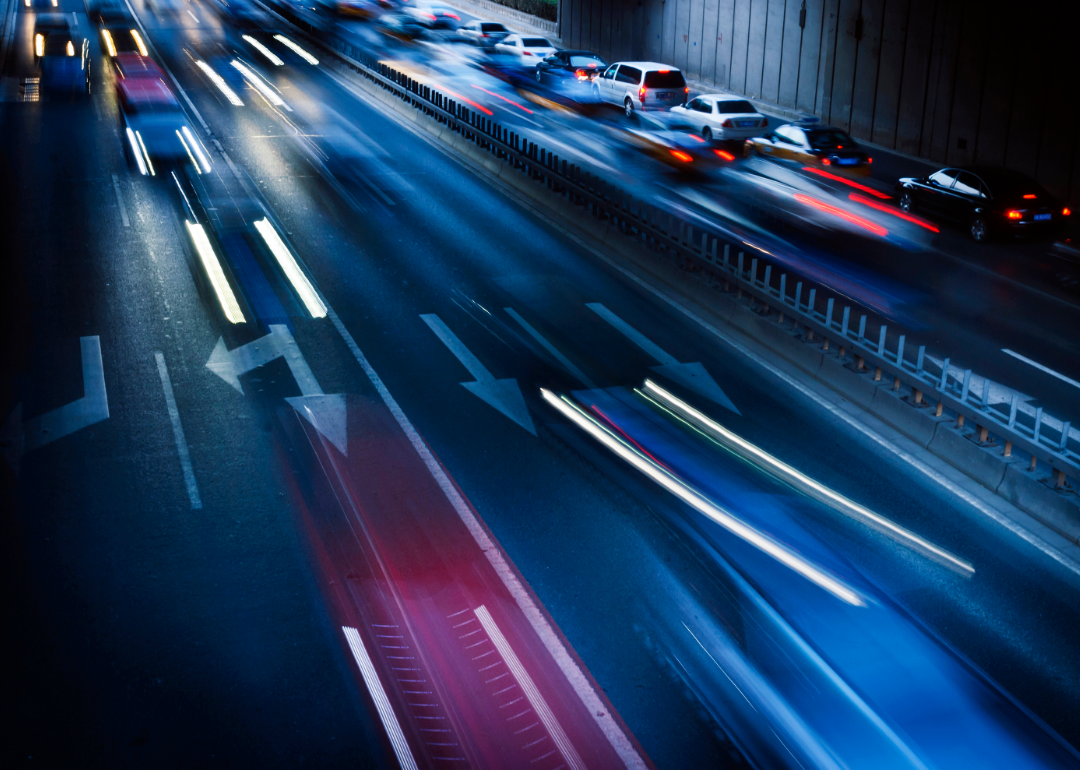
The Myth of Saving Time
The conviction that another lane is always faster is a classic example of a cognitive bias in driving psychology, often referred to by researchers as “lane envy” or the “highway illusion.” This mental shortcut makes us focus intensely on the cars that are passing us, exaggerating the time lost in our current lane, and largely ignoring the times we pass others. Psychologists note that when we are moving slowly, we have more time to look from side to side and observe the traffic around us, which magnifies the perception of other lanes moving faster.
- Minimal Time Savings: Studies from the Federal Highway Administration (FHWA) and the University of Toronto have consistently found that frequent, aggressive lane changes offer a negligible impact on total travel time. One University of Toronto simulation noted a marginal $2\%$ reduction in commute time at best a gain that is often unnoticeable and not worth the inherent safety and legal risks. Furthermore, researchers point out that the time lost by constantly slowing down, checking for a gap, and executing the merge negates any momentary speed gain.
- The Accordion Effect and Congestion: Aggressive lane changes actively disrupt the smooth flow of traffic, a phenomenon known as the “accordion effect” or “phantom traffic jams.” When a driver forces a sudden merge, it compels the cars behind them in the target lane to brake abruptly. This braking action cascades backward, forcing a chain reaction of slowing that can substantially slow down the entire lane and contribute directly to increased traffic congestion for everyone. This behavior counteracts the very goal of saving time, creating a net negative impact on the road system’s efficiency.
The Cost of Visual Search: Another factor is the time spent on the lane change maneuver itself. Research indicates that the visual search time checking mirrors and blind spots required for a single lane change can take anywhere from $3.7$ to over $6$ seconds in traffic, depending on congestion. This is a significant amount of time during which a driver’s focus is diverted, further minimizing any perceived time gain and increasing the risk of missing a hazard ahead.
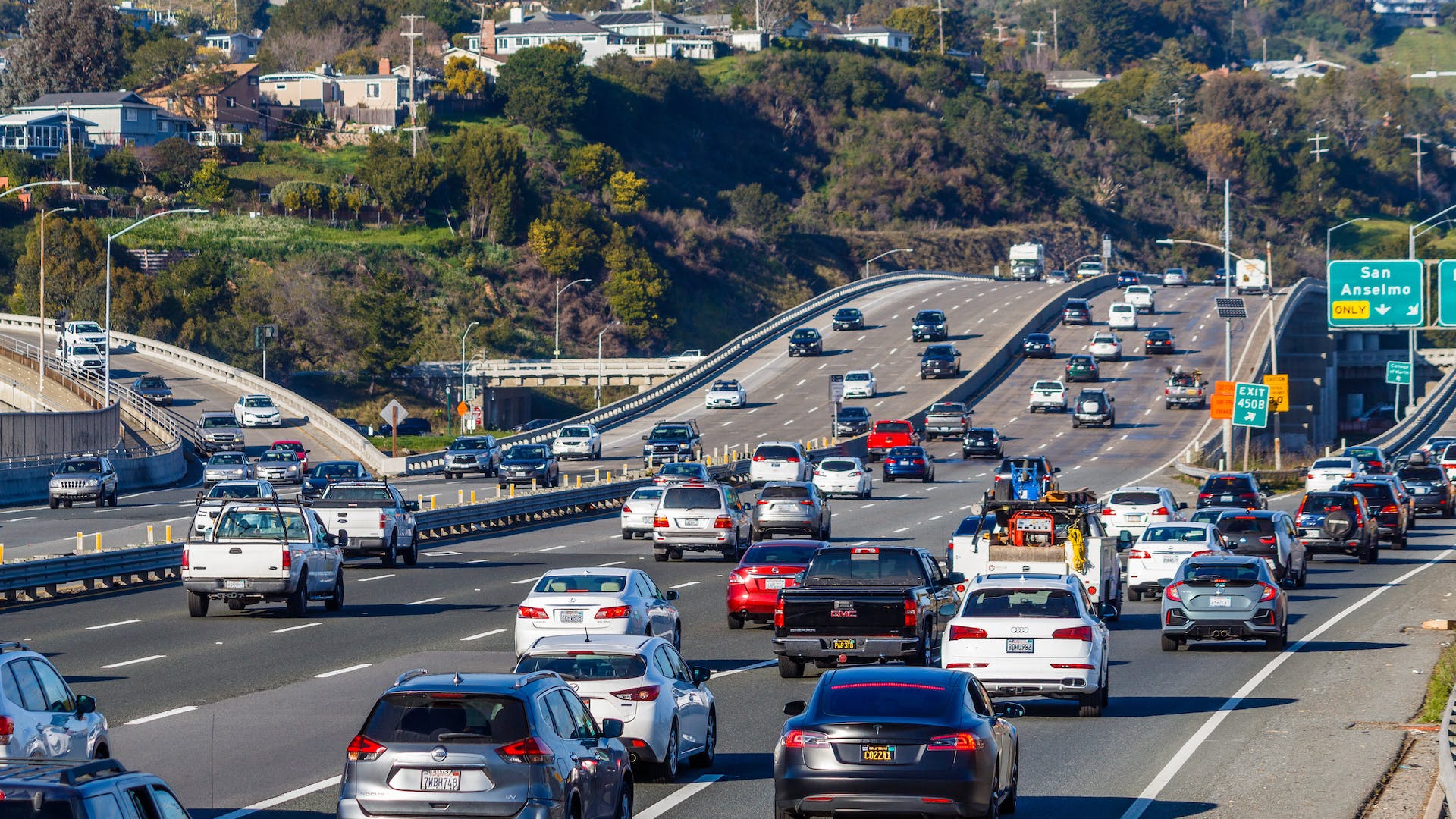
The Dangers and Costs of Lane Changing
While the time savings are negligible, the safety risks are very real. Frequent lane changing is a key component of aggressive driving and can lead to serious consequences.
- Higher Accident Risk: The AAA Foundation for Traffic Safety found that aggressive lane changing is a factor in up to 56% of fatal crashes. The maneuver leaves little room for error and can easily lead to side-swipe, rear-end, and multi-vehicle collisions.
- Blind Spots: Constantly “lane hopping” increases the chance of entering another vehicle’s blind spot, significantly raising the risk of a collision.
- Increased Tickets and Violations: Drivers who frequently change lanes are more prone to other risky behaviors like speeding and tailgating. According to the National Highway Traffic Safety Administration (NHTSA), they are three times more likely to receive a moving violation.
- Higher Insurance Costs: Insurance companies view frequent lane changes, along with associated violations and at-fault accidents, as signs of a high-risk driver. These behaviors can lead to significantly higher premiums or even policy non-renewal.
Ultimately, the consensus among traffic experts, psychologists, and safety organizations is clear: the practice of frequently changing lanes does not get you to your destination faster. The potential for a traffic ticket, an accident, higher maintenance costs, and a substantial spike in your insurance rates far outweighs any fleeting, perceived time savings.
For a safer, more predictable, and more efficient commute that actually reduces stress, it is best to choose a lane and maintain a steady, predictable pace, avoiding the cognitive trap of “lane envy.”
Frequently Asked Questions About Lane Changing
Does changing lanes really save time during traffic?
Changing lanes frequently usually does not significantly reduce travel time. Traffic flow and congestion often limit the advantage of lane changes, and switching lanes too often can increase the risk of accidents.
Can lane changing increase the risk of accidents?
Yes, frequent or aggressive lane changes can increase the likelihood of collisions. Drivers may misjudge speed or distance, fail to check blind spots, or cause other drivers to brake suddenly, creating a higher risk of crashes.
What are safer ways to improve travel time?
To reduce travel time safely, maintain a consistent speed, stay in the lane that flows best, plan routes ahead, and avoid distractions. Defensive driving and patience are often more effective than aggressive lane switching.
