

Driving a car is probably the most dangerous thing you’ll do today, even if it feels routine. While 2025 has seen a big drop in road deaths, down over 8% compared to last year, thousands of people are still losing their lives in crashes that often come down to bad timing or bad weather.
This breakdown from CheapInsurance.com looks at why certain days and conditions are so much riskier than others.
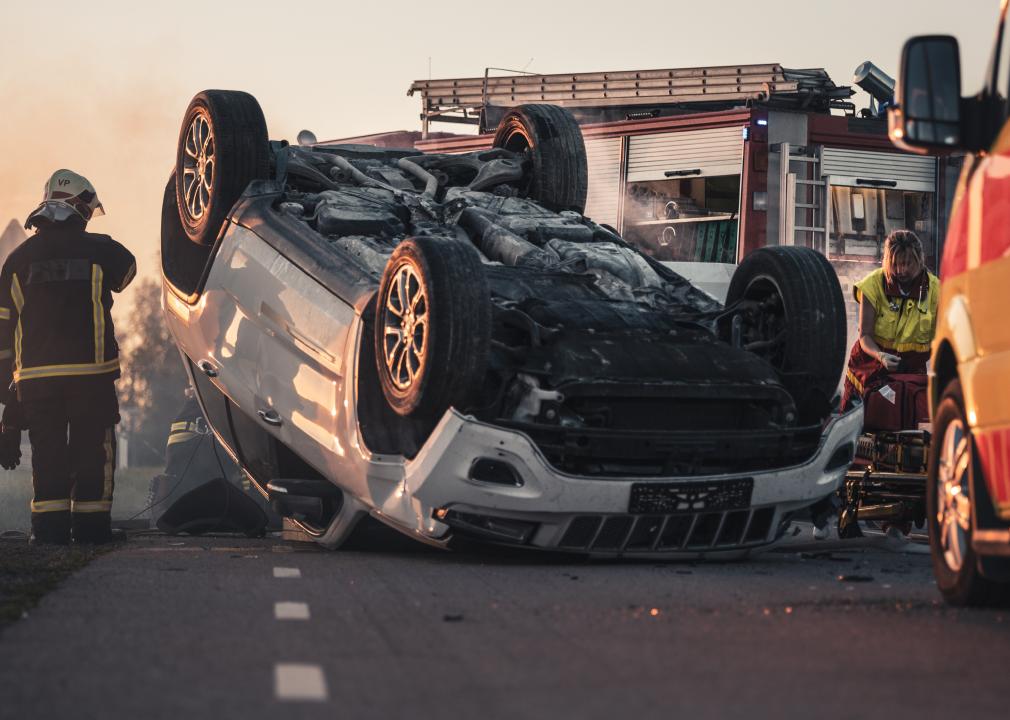
Speeding is still the biggest problem
People tend to think of speeding as something “reckless” drivers do, but it’s actually a factor in nearly a third of all fatal wrecks.
The big mistake many of us make is treating the posted speed limit as a goal regardless of what’s happening outside. If it’s pouring rain or getting dark, that 65 mph sign isn’t a safety guarantee. High speeds kill because they shrink your reaction time and make it much harder for your brakes to do their job when someone pulls out in front of you.

Why the weekend is a “Danger Zone”
It’s a weird but consistent fact: about half of all fatal crashes happen between Friday and Sunday.
- The Saturday Peak: Saturday is usually the deadliest day of the week. This is often because more people are taking longer trips, driving for fun, or, unfortunately, driving while tired or impaired.
- The 3-to-3 Rule: Most fatal crashes happen between 3 p.m. and 3 a.m. This twelve-hour window is a perfect storm of rush hour fatigue, fading light, and nighttime hazards.
- Commuter Fatigue: While the morning commute has plenty of fender benders, the evening drive home is statistically more dangerous because drivers are worn out from the workday and less alert.
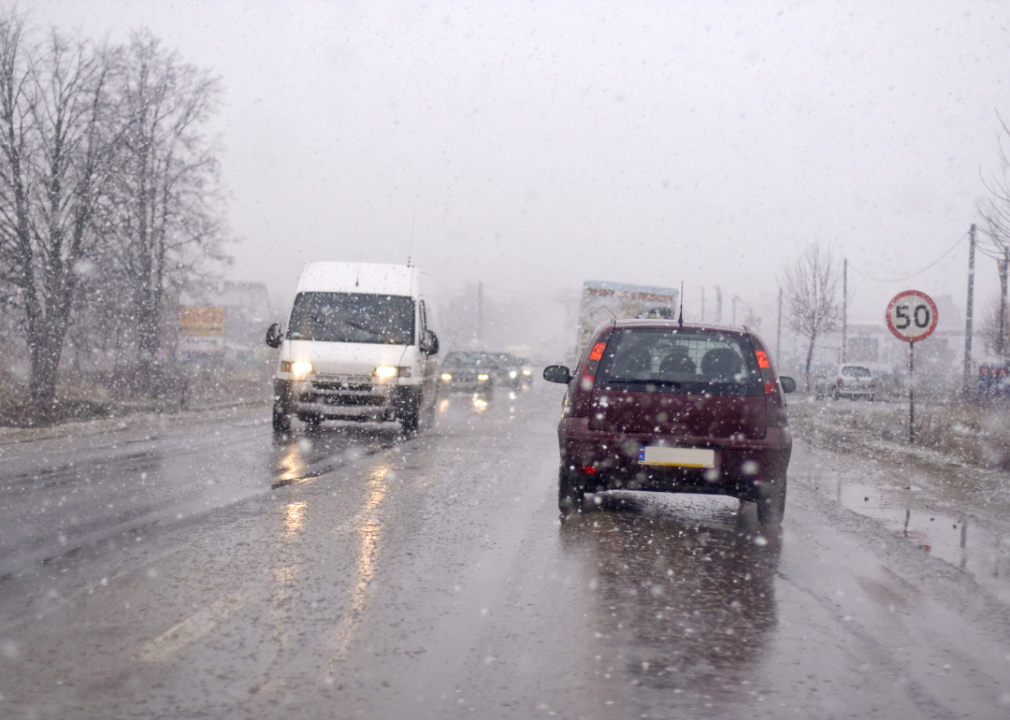
Weather: Rain is more dangerous than snow
Most drivers are terrified of a blizzard, but the data shows that rain and wet pavement are the real killers on American roads.
- The Friction Problem: Rain is a factor in significantly more crashes than snow or ice. This is mostly because rain happens everywhere, and it only takes a light drizzle to make the road slick and unpredictable.
- Black Ice: In colder areas, “black ice” is a silent threat. It’s nearly invisible and often forms on bridges or in the shade of trees, catching drivers off guard when they think the road is just “wet.”
- Poor Visibility: Fog and heavy mist are responsible for those massive multi-car pileups we see on the news. They take away your ability to see hazards in time to stop. Weather conditions can change in seconds, and if you don’t slow down, your car essentially becomes a projectile.
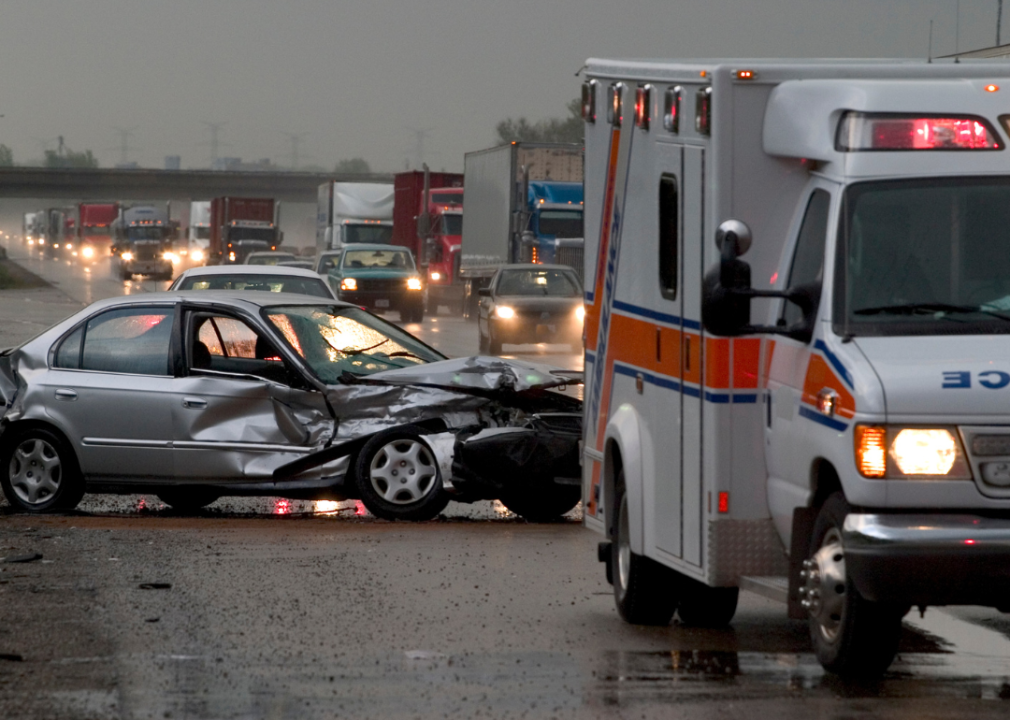
We are making progress in road safety, but you can’t control the weather or the other drivers on the road. The best thing you can do is adjust your speed for the conditions and stay extra vigilant during those high-risk weekend hours.
Frequently Asked Questions About Driver Safety Conditions
What health conditions can affect a driver’s ability to drive safely?
Certain health conditions can interfere with reaction time, awareness, or physical control while driving. Vision problems, sleep disorders, cognitive impairment, and conditions that cause dizziness or fatigue can all increase the risk of accidents if not properly managed.
Can temporary medical issues impact driver safety?
Yes, temporary issues such as illness, medication side effects, dehydration, or lack of sleep can significantly affect driver focus and coordination. Even short term conditions can raise accident risk if a driver is not fully alert or physically capable.
How do insurance companies view medical conditions related to driving?
Insurance companies focus on overall driving risk rather than specific diagnoses. Conditions that contribute to accidents or unsafe driving behaviors may influence insurance rates, especially if they lead to claims, traffic violations, or license restrictions.
