

When your teen first gets their license, it’s a mix of relief and pure nerves. You’ve probably seen the stats, drivers between fifteen and twenty-one face the highest risks on the road. But beyond the scary numbers, these early years are actually the best time to build habits that stick for life.
If you’re looking for ways to protect your new driver (and maybe lower those car insurance quotes in the process), here is the modern reality of teen driving safety.
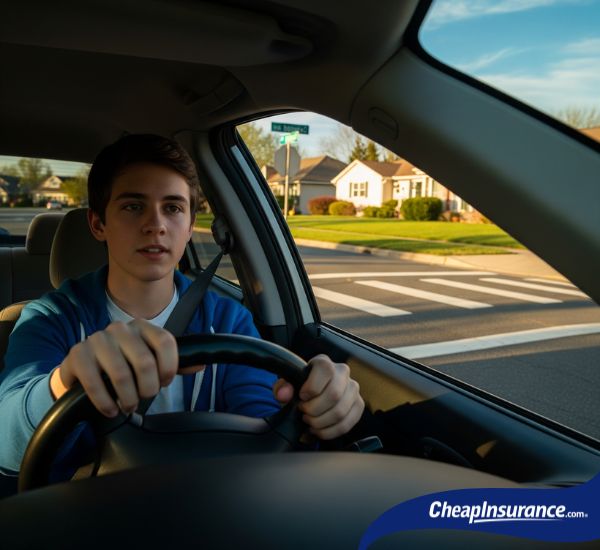
The “Big Three” Risks
It isn’t just “inexperience” that causes accidents. It’s usually a combination of three specific factors that parents can help manage.
- The Passenger Trap: For a sixteen-year-old, having even one friend in the car doubles the risk of a fatal crash. Two or more passengers? The risk quadruples. It isn’t just about “partying,” it’s the distraction of a conversation or the subtle peer pressure to drive a little faster.
- The Midnight Danger Zone: Most teen accidents happen between 9 p.m. and midnight. Lower visibility combined with fatigue is a bad mix for a new driver. Many states now have “curfews” in their graduated licensing programs for this exact reason.
- The Smartphone Reflex: We call it distracted driving, but for teens, it is often just a reflex to check a notification. Using “Do Not Disturb While Driving” modes should be a non-negotiable rule before the car even leaves the driveway.
Tech That Acts as a “Digital Parent”
In the past, we just had to hope for the best. Today, the car itself can help teach your teen how to drive. If you are shopping for a vehicle, look for these specific features:
- Buckle-to-Drive: Some modern cars won’t even let the driver shift out of “Park” until the seat belt is clicked. It turns a safety choice into a mandatory habit.
- Speed Limiters: You can often set a “parental key” that prevents the car from going over 75 or 80 mph and sends you an alert if the car exceeds a certain limit.
- In-Vehicle Report Cards: Newer models can actually track how many times the anti-lock brakes were triggered or how often the driver followed too closely. This allows for a conversation based on data rather than just “nagging.”
Safety Tips for the Real World
Before your teen heads out solo, run through this quick checklist of essentials that often get skipped in driver’s ed.
- Weight Matters: Small, “cute” cars might be easier to park, but heavier vehicles generally offer more protection in a collision. Avoid “micro” cars or high-horsepower sports cars that tempt new drivers to test the limits.
- The “Zero Tolerance” Talk: Make it clear that even one drink is a dealbreaker. Not only is it illegal, but even a tiny amount of alcohol hits an inexperienced driver much harder than an adult.
- Defensive Driving Courses: Look for local classes that go beyond the basics. Many insurers will give you a significant discount for completing these, which helps offset the cost of adding a teen to your policy.
You can’t be in the passenger seat forever. By setting firm rules on passengers and nighttime driving, and using modern tech to your advantage, you can give your teen the freedom they want without the constant worry.
Frequently Asked Questions About Teen Driver Safety
What are key safety tips for teen drivers?
Teen drivers should always wear seat belts, obey speed limits, avoid distractions like phones, and never drive under the influence. Practicing defensive driving and gaining experience gradually with parental supervision can also help teens develop safer driving habits.
How can parents help reduce risks for teen drivers?
Parents can set clear rules for driving, monitor their teen’s driving behavior, limit nighttime and peer passenger driving, and encourage safe driving courses. Open communication and establishing consequences for unsafe behavior can help teens make responsible choices.
Does teen driving affect car insurance rates?
Yes, teen drivers are generally considered higher risk, which can increase insurance rates. Parents can look for discounts such as good student discounts, driver education completion, and adding teens to an existing policy with safe driving incentives to help lower costs.
