If you are financing your home, insurance is not optional. Lenders require homeowners insurance to protect their financial interest in the property.
Unlike car insurance, homeowners insurance is not legally required. However, most people still need it when they take out a mortgage. Your home is your largest personal investment. It deserves strong and dependable protection. At the same time, finding the right insurance can be overwhelming. You need to balance coverage and cost while making sure nothing important gets left out.
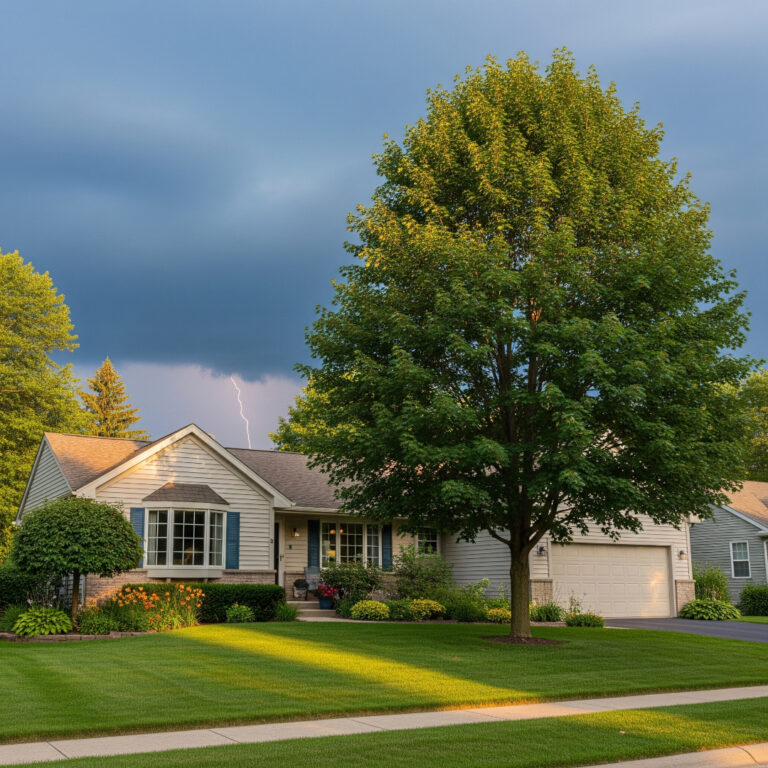
Facts About Home Insurance
When you buy a home, lenders usually require minimum insurance coverage. This protects the loan they provide to you. Homeowners insurance helps if a disaster like a fire destroys your house. You will need coverage to recover financially.
It also helps you pay off the loan if your home is damaged beyond repair. Without insurance, that debt remains.
Credit plays a key role when you shop for homeowners insurance. Your score can impact your rates in a big way. Someone with excellent credit often pays about half as much as someone with poor credit. That difference can add up fast.
Most home insurance policies include four areas of protection. These cover the structure, belongings, liability, and extra living costs. Your location affects your cost. So do materials used in construction, roof slope, and other physical features of the home.
You can lower your cost by increasing your deductible. A higher deductible usually results in a smaller monthly payment.
Combining policies helps you save. Many people bundle home and auto insurance with one company to cut costs.
Paying your insurance bill once a year may also reduce your total cost. This avoids added service charges. Ask your insurer about available discounts. You may qualify based on credit, alarms, deadbolts, or living near a fire station.
More facts
You have a few types of homeowners insurance coverage. These include cash value, replacement cost, and guaranteed or extended cost coverage. However, not every kind of damage falls under standard coverage. If you want specific items protected, speak directly with your agent.
If you run a business from home, your homeowners insurance might qualify as a tax deduction. Always check with a tax expert. Neglecting your home raises concerns for insurance providers. If damage results from poor upkeep, your insurer may deny the claim.
Your dog’s breed could also affect coverage. Some liability policies exclude certain breeds from protection in case of a dog bite. Keep in mind that every claim you file may raise your rates. Only submit claims when truly necessary.
Claim deadlines also matter. Most homeowners policies require you to file within a short period, often within two weeks of the event. Creating a home inventory is a smart idea. Take photos or videos and track the value of your most important items.
Insurance companies consider depreciation when calculating payouts. Older belongings may not be worth their original price during a claim. Insurers cannot cancel your policy without cause. They must have a valid reason, like missed payments, to take such action.
If you plan to remodel your home, contact your agent first. Standard insurance policies do not automatically cover reconstruction work.
What’s Usually Covered by Homeowners Insurance?
Although every cheap homeowners insurance policy is different, most offer coverage in a few key areas.
First, your policy typically covers damage to your home. This includes permanent structures on your property unless the policy excludes certain causes.
Second, it covers personal property. These are items inside your home that are not permanently attached to the building. Coverage depends on the causes listed in your policy. Always review the details to understand exactly what is included.
Third, your insurance provides liability protection. This helps if someone gets hurt on your property or if you face legal issues.
Next is loss of use coverage. This pays for temporary living expenses if your home becomes unlivable due to covered damage.
You can maintain your standard of living at another location without paying extra out of pocket during repairs.
There is also limited coverage for certain items. Stolen jewelry is one example, and the amount varies by state.
If you need more protection for valuables like jewelry, silverware, or fur, ask about additional coverage options.
You may need to buy a separate rider for higher-value items. Riders offer more protection and cover a wider range of risks.
Save Money on Your Homeowners Insurance Today
Do you want to lower your insurance cost? Start by checking whether you qualify for any common discounts.
- A monitored alarm system helps reduce risk and appeals to insurers. It may also discourage burglars from targeting your home.
- Security locks can help too. A quality deadbolt adds safety and can reduce your insurance cost.
- Smoke detectors not only protect your family but may also lead to savings. They can even save lives in an emergency.
- Sprinkler systems are more expensive to install but can lower your rate. They help limit fire damage inside your home.
- Living in a gated community often means lower crime rates. That added safety can translate into lower insurance costs.
- Many retirement communities have their own security systems. This added protection may qualify you for a discount.
- A newly purchased home may already include smoke detectors, sprinkler systems, and quality locks. These features make your home safer.
- You might also qualify for an age-of-home discount. In some cases, the home’s age can impact your insurance rate.
What If I Have A Pool?
Most standard homeowners insurance policies include about $100,000 in liability coverage. If you have a pool, you need more. Experts suggest raising coverage to $500,000. Pools can be dangerous, especially during gatherings or when alcohol is involved.
A fence adds safety and helps reduce risk. Many municipalities require a fence around a pool. Children and adults face hazards around pools, especially if they cannot swim. Many guests will not disclose that they cannot swim. This makes proper liability coverage even more important. Protect yourself by increasing your coverage. Make sure your policy fits the risks that come with owning a pool.
What If I Lease My Home to Tenants?
Renting your home can provide extra income. It may also help cover property expenses and upkeep. If you rent to a tenant, regular homeowners insurance is not enough. You will need a dwelling policy, more commonly known as Landlord Insurance. This coverage protects the structure of the home. It does not include the tenant’s belongings. Also, require your tenant to carry renters insurance. Their policy covers personal items and liability within the rental. This protects both you and the tenant while reducing financial risk.
Terms You Should Know
Monitored Home Alarm System: A monitored alarm system helps prevent break-ins and can lower your homeowners insurance rates significantly.
Deadbolt Locks: Installing deadbolt locks adds strong home security and often qualifies you for lower insurance costs.
Smoke Detectors: Smoke detectors keep your family safe and may reduce your insurance costs by lowering fire-related risk.
Sprinkler System: Though costly to install, a sprinkler system can prevent serious fire damage and lead to long-term savings.
Gated Community: Living in a gated community improves overall security and often results in reduced homeowners insurance rates.
Retirement Community: These communities usually have built-in security features, which can help lower insurance costs for older adults.
Newly Purchased Home: New homes often include modern safety systems like alarms and sprinklers, which can lead to
policy discounts.
Age of Home Discount: Newer homes may qualify for better rates. Insurers often charge more to cover older properties due to risk.
Key Home Insurance Terms You Should Know
- Defensible Space: This is a cleared area around hazards like fireplaces that helps reduce fire risk and protect your home.
- Depreciation: Depreciation lowers your property’s value over time due to wear, misuse, or age. It affects your coverage amount.
- Extended Replacement Cost: This extra coverage helps rebuild your home if labor and material prices rise after a disaster.
- Fire Insurance: This coverage pays for loss or damage caused directly by fire, helping you recover more quickly.
- Flood Insurance: Flood insurance covers damage caused by rising water. It is often required in high-risk flood zones.
- Homeowners Insurance: This policy protects your home, belongings, and liability if someone is injured on your property.
- Manufactured Home Coverage: This type of policy is tailored to cover mobile or manufactured homes and their specific risks.
- Mortgage Guarantee Insurance: This coverage protects lenders if the homeowner defaults on their mortgage loan.
- National Flood Insurance Program (NFIP): NFIP is a federal program that supports insurers and helps cover losses from major flood events.
- Premium: Your premium is the amount you pay to keep your insurance policy active. It can be monthly or annual.
- Property Damage Coverage: This part of your policy pays for damages like broken windows or vandalism to your home.
- Rental Property: A rental property is leased to tenants. It needs special insurance separate from standard homeowners coverage.
- Umbrella Policy: An umbrella policy adds extra liability protection when your regular coverage is no longer enough.
- Water Damage Policy: This covers damage from plumbing or leaks inside the home but does not apply to outside flooding.