

Look, winter isn’t just about hot cocoa. For your home, it’s an obstacle course. Burst pipes and icy paths are expensive. While you’re inside staying warm, your insurance company expects you to be doing your part.
Home insurance isn’t a magic wand. It’s a partnership. You handle the maintenance, they handle the catastrophes. If you skip the small stuff, you might find your claim denied later. CheapInsurance.com has the playbook you need to keep things running.
1. Foundation: Clear the Gutters
Gutters are your first line of defense. Clogged ones are an express ticket to structural damage.
- The Threat: Leaves and twigs cause water to back up and freeze. This creates ice dams that push water under your shingles. It also sends water straight down to your foundation. In the 2026 freeze cycle, that water expands and cracks your concrete.
- Fix it: Clean them before the first freeze. Make sure downspouts dump water at least 10 feet away from the walls.
2. Pipes: Wrap Them Up
This is the classic winter nightmare. A pipe bursts and turns your basement into a lake.
- The Threat: Water expands. It’s that simple. If pipes in a crawl space or garage aren’t insulated, they will shatter.
- Fix it: Use foam sleeves. They’re cheap. During a deep freeze, open your cabinet doors. Let the house heat reach the plumbing.
3. Chimneys: Don’t Let it Burn
Cozy fires are great. Chimney fires are not.
- The Threat: Creosote. It’s a sticky, flammable residue from wood smoke. If it builds up, one spark can ignite the creosote and take your roof with it.
- Fix it: Get a professional inspection every year. Burn dry, seasoned wood. No trash.
4. Liability: The Icy Sidewalk
This is about more than just a bruise. It’s about a lawsuit.
- The Threat: If a delivery person slips on your ice, they can file a liability claim. Insurers hate these. They want to see that you took “reasonable care.”
- Fix it: Shovel fast. Use salt or sand. If you can’t do it, hire a service. It’s cheaper than a legal bill.
5. Roof: The Shield
Your roof takes the brunt of the storm. A single loose shingle is an open door for leaks.
- The Threat: Heavy snow and ice find every weakness. 2026 building codes are stricter for a reason – water damage leads to mold fast.
- Fix it: Do a ground-level check with binoculars. Look for curling edges. Trim any branches that look like they might snap under ice weight.
6. Systems: Filters and Vents
Your furnace is working overtime. Don’t make its job harder.
- The Threat: Clogged dryer vents are a massive fire hazard. Dirty furnace filters kill efficiency and can cause overheating.
- Fix it: Clean the whole dryer duct, not just the lint trap. Swap your furnace filter every month during the winter.
7. Safety: The Basics
Smoke and CO detectors are your literal lifelines.
- The Threat: Odorless carbon monoxide is a winter killer. With heaters running 24/7, the risk is higher.
- Fix it: Test them monthly. Change the batteries. If the unit is over seven years old, throw it out and buy a new one.
8. Vigilance: Snow Load
Keep an eye on the sky and your roofline.
- The Threat: Wet snow is heavy. Too much of it can collapse an older roof.
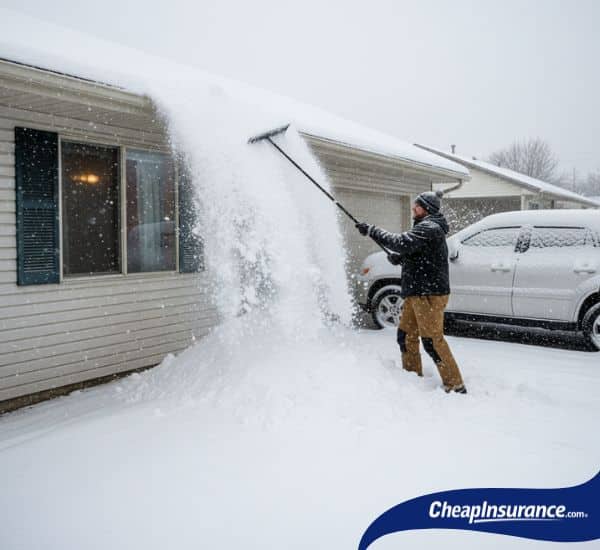
- Fix it: Use a roof rake – from the ground. Don’t climb up there. If doors in your house start sticking, you might have too much weight on the roof.
Frequently Asked Questions About Winter Home Maintenance
What are the most important winter maintenance tasks for homeowners?
Key tasks include inspecting and cleaning gutters, checking the heating system, sealing windows and doors, inspecting the roof for damage, and preparing pipes to prevent freezing. These tasks help maintain safety and prevent costly damage.
How can winter maintenance affect my home insurance?
Performing regular winter maintenance can reduce the risk of claims. Insurance companies expect homeowners to take preventive steps, such as clearing ice dams, maintaining heating systems, and protecting pipes, to avoid water damage, fire hazards, or other winter-related losses.
Are there tips to keep my home safe during extreme cold?
Yes. Keep the thermostat at a consistent temperature, insulate exposed pipes, remove snow and ice from walkways, and ensure smoke and carbon monoxide detectors are functioning. These precautions reduce the risk of accidents and insurance claims.
