

QUICK ANSWER
Car insurance typically covers damage caused by rodents, such as chewed wiring or insulation, provided the policy includes comprehensive coverage. Liability-only policies do not pay for repairs resulting from animal damage. Policyholders are generally responsible for paying their deductible before the insurer covers the remaining costs. Since replacing a wiring harness can be expensive, comprehensive coverage is the primary financial safeguard against this type of non-collision damage.
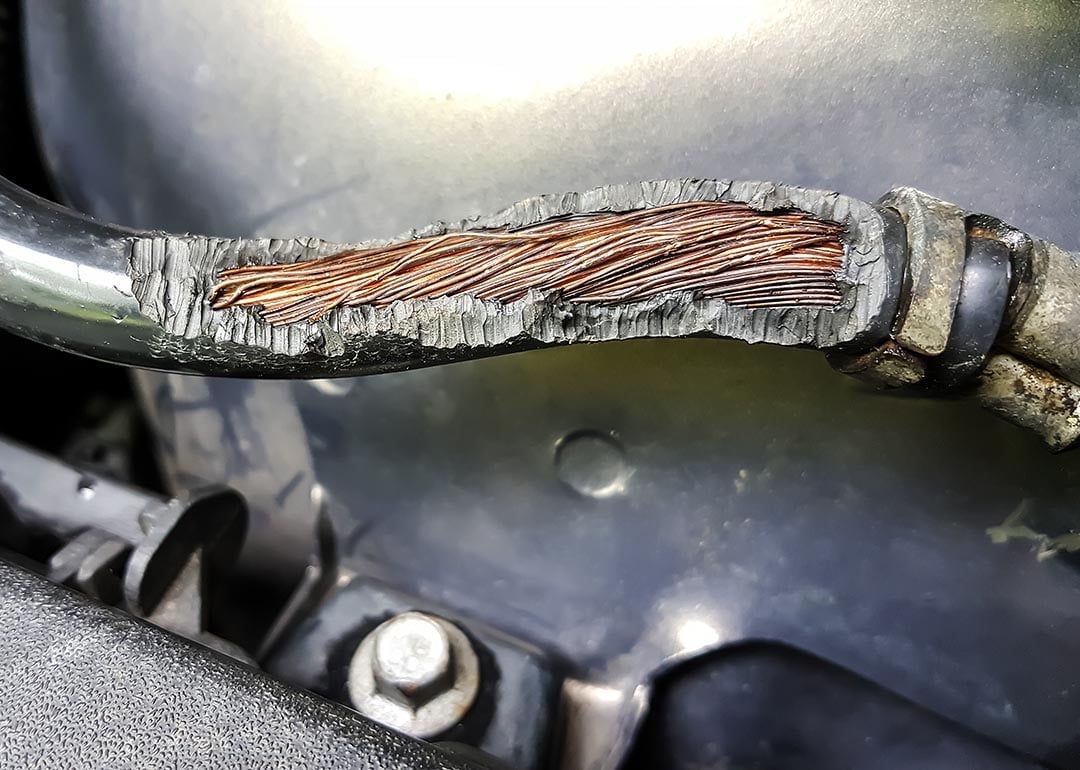
Rodent Damage Will Your Car Insurance Cover Chewed Up Wiring
It is a nightmare scenario. You turn the key, and the dashboard lights go crazy, or worse, nothing happens at all. You pop the hood and find shredded insulation, droppings, and a nest sitting right on top of your engine block. Rodents have moved in.
Rats, mice, and squirrels love cars. The engine bay is warm, dry, and safe from predators. But the real attraction is the wiring. Many modern vehicles use soy based insulation on their wires. It is eco friendly, but to a rodent, it is a snack. The damage they cause can be catastrophic, but the big question is whether your car insurance will pay to fix it.
The Right Coverage Matters
Not every policy covers animal damage. If you only have liability insurance, you are out of luck. Liability pays for damage you cause to others, not damage to your own vehicle.
To get your wiring fixed, you need comprehensive coverage. This is the specific part of your policy that handles non collision events. It covers theft, fire, vandalism, and damage from animals. Whether you hit a deer or a rat eats your harness, comprehensive is the safety net that picks up the tab.

The Cost of Repairs
Rodent damage is deceptive. It might look like just a few chewed wires, but modern cars are complex. That one wire might control your transmission or your safety systems. Replacing a main wiring harness can easily cost thousands of dollars in parts and labor.
This is where your deductible comes into play. If the repair estimate is $400 and your deductible is $500, it does not make sense to file a claim. However, if the rodents destroyed the main harness and the bill is $4,000, paying your deductible is a small price to get your car back on the road.
Preventing the Problem
The best way to handle rodent damage is to stop it before it starts. If you have a garage, use it. Parking inside is the best defense. If you have to park outside, try to avoid long grass or wooded areas where rodents live.
You can also make your car less inviting. Rodents hate strong smells. Peppermint oil on cotton balls placed around the engine bay can act as a deterrent. Just remember to remove them before you drive. Keeping your car clean also helps. Food wrappers and crumbs inside the cabin can attract pests that eventually find their way into the wiring.
Spotting the Signs
Catching the problem early can save you a fortune. Look for droppings on the floor of your garage or driveway. Pay attention to weird smells when you run the heater or AC. If your check engine light comes on suddenly or you notice electrical gremlins like flickering lights, check under the hood immediately.
Rodents can wreck a car in a matter of days. Check your policy to ensure you have comprehensive coverage so that a small mouse does not turn into a massive financial headache.
Frequently Asked Questions About Rodent Damage and Car Insurance
Does car insurance cover rodent damage?
Standard car insurance policies typically do not cover damage caused by rodents. Rodent damage, such as chewed wires or hoses, is usually considered maintenance-related. Comprehensive coverage may cover it in some cases, but it depends on your insurer and policy details.
What kind of coverage can protect against rodent damage?
Comprehensive coverage is the best option for protecting your vehicle from rodent damage. It covers non-collision-related incidents, including vandalism, theft, and sometimes animal-related damage. Always check your policy for specific exclusions before assuming coverage.
How can I prevent rodent damage to my car?
Preventative measures include parking in a garage or rodent-proof area, using deterrents like peppermint oil or traps, sealing any openings in your vehicle where rodents might enter, and keeping the area around your car clean of food or debris.
