

When a car gets a minor ding, scratch, or crack, the first thought for many drivers is to file a claim with their insurance. However, doing so, especially for small repairs, can sometimes lead to a premium increase. As car insurance costs have risen dramatically, finding ways to avoid unnecessary claims is a great way to save money.
According to the Bureau of Labor Statistics, car insurance costs rose 20% over the past year. This trend, exacerbated by risky driving habits and expensive repairs, means that all drivers feel the pinch. For those who file frequent or high-cost claims, the price can be even steeper, as insurers may raise premiums or even decide not to renew a policy.
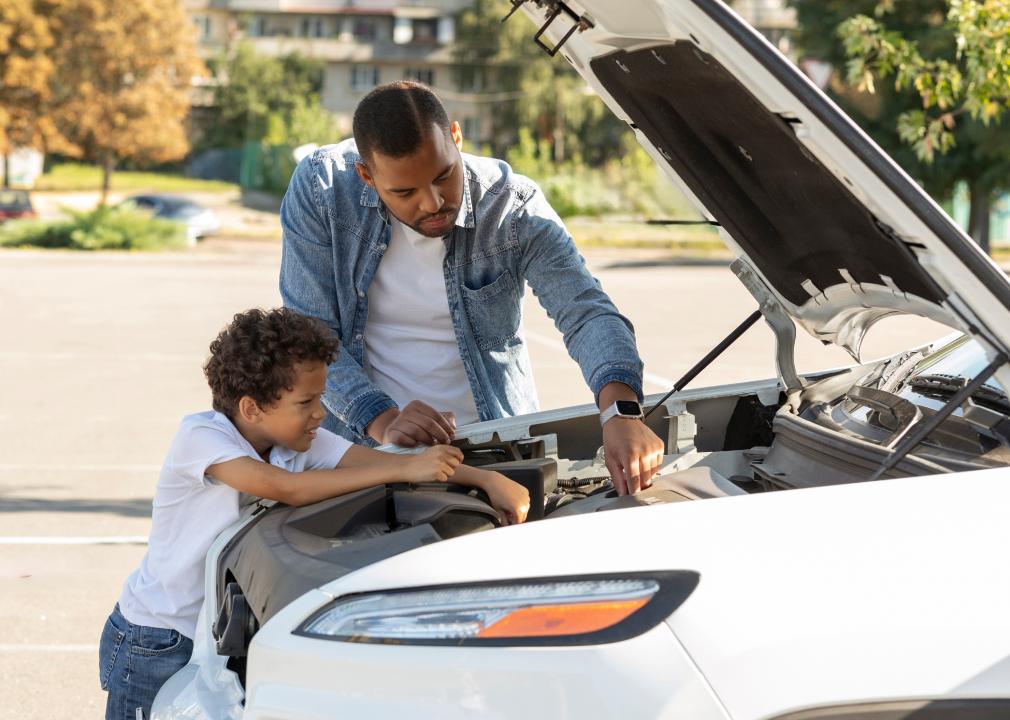
To help drivers avoid this trap, CheapInsurance.com has identified five common car repairs that are simple enough for many people to do themselves, saving money and keeping their insurance record clean. It’s always a good idea to understand your policy and the potential long-term effects of a claim before deciding to file.

1. Filling Windshield Chips
A small chip in a windshield, often caused by a stray rock, can quickly turn into a large, dangerous crack if left untreated. Luckily, fixing a small chip is a quick and inexpensive DIY project.
- The Process: Windshield repair kits, which typically cost between $10 and $20, contain everything you need. You’ll clean the damaged area, apply a special adhesive patch and pedestal, inject an epoxy resin, let it cure, and then scrape away the excess.
- Why It’s Worth It: This simple repair prevents the chip from spreading, which could force you to pay for a full windshield replacement – a much more expensive claim.

2. Correcting Small Dents
Minor dents can be a real eyesore, but they often don’t require a body shop visit. There are several popular DIY methods for repairing them, depending on the dent’s location and severity.
- The Process: For many small dents, a common technique involves using heat and cold. You can use a hairdryer to warm the dented area and then spray it with a can of compressed air held upside down, causing the rapid temperature change to pop the dent out. Another method is using a suction tool, like a dent puller or even a household plunger, to pop the dent back into place. For more persistent dents, body filler can be used, similar to spackling a wall, and then sanded and painted to match.
- Why It’s Worth It: A professional “paintless dent repair” can cost hundreds of dollars, while a DIY kit and tools are often under $50.

3. Covering Scratches
Scratches are perhaps the most common type of car damage and are also one of the easiest to fix at home. A variety of low-cost products are available, and countless online tutorials can guide you through the process.
- The Process: To repair a scratch, you’ll first clean the area. Depending on the depth of the scratch, you may use a scratch remover, polishing compound, or a touch-up paint pen. For an exact color match, find your car’s factory paint code, usually located on a sticker inside the door jamb or under the hood. The process generally involves cleaning, applying the paint, sanding, and buffing.
- Why It’s Worth It: You can fix a scratch for as little as $20, while a professional repaint could cost hundreds, making it a clear choice to avoid an insurance claim.

4. Replacing a Headlight Bulb
A burned-out headlight is a safety hazard and can lead to a ticket, but you don’t need a mechanic to fix it. While it may sound intimidating, replacing a headlight bulb is a relatively simple process that most people can do themselves in under an hour.
- The Process: The exact steps vary by car model, but the general procedure is straightforward. You’ll access the back of the headlight assembly from under the hood or through the wheel well, disconnect the old bulb, and install the new one. Always use gloves or a clean cloth to handle the new bulb, as oils from your skin can cause it to burn out prematurely.
- Why It’s Worth It: The cost of a new bulb is usually under $50, whereas a mechanic might charge you $100 or more for the part and labor.

5. Replacing a Bumper Cover
A fender bender or an encounter with a high curb can leave a bumper looking rough. If the underlying bumper structure is okay and only the plastic “bumper cover” is damaged, this is a repair you can handle yourself.
- The Process: This repair is more involved than the others but is still very doable for a DIYer. It requires removing bolts and fasteners to detach the old bumper cover. You’ll then transfer any accessories like fog lights or turn signals to the new aftermarket cover before reattaching it to the vehicle.
- Why It’s Worth It: While this can be a larger financial commitment, the cost of a new aftermarket bumper cover is far less than a full professional repair, and it helps you avoid filing a claim for what is often considered a minor collision.
Disclaimer: While these repairs are often simple, it’s crucial to assess the damage carefully. If a repair involves structural or safety components, it’s always best to consult a professional. Before attempting any of these fixes, find a video tutorial for your specific make and model.
Frequently Asked Questions About DIY Car Repairs
What are some simple car repairs I can do myself?
Some common DIY car repairs include changing windshield wipers, replacing air filters, checking and topping off fluids, changing light bulbs, and tightening loose battery connections. These tasks are generally safe, inexpensive, and do not require professional help.
When should I avoid DIY car repairs and call a professional?
If a repair involves the engine, brakes, transmission, or electrical systems beyond basic maintenance, it is best to call a professional. Complicated repairs or safety-critical systems require specialized knowledge and tools to avoid damage or injury.
How can doing small repairs myself save on insurance claims?
By completing minor repairs on your own, you can avoid filing insurance claims for small damages. This helps prevent increases in your insurance rates and deductibles while saving money on both repair costs and potential premium hikes.
Story editing by Ashleigh Graf. Copy editing by Paris Close. Photo selection by Clarese Moller.
