17 unusual alcohol laws that could get you busted across the world
It’s been 90 years since Prohibition was repealed in the United States with the passing of the 21st Amendment in 1933. But even though the law that outlawed alcohol manufacture and sales was ultimately repealed, that doesn’t mean the U.S. became a free-for-all when it came to liquor distribution and consumption.
In fact, after the national ban was lifted, each state had its own approach to legalizing the hard stuff, and as a result, there are still lots of laws to keep boozehounds in check throughout the nation.
CheapInsurance.com lists 17 unusual alcohol laws from the U.S. and around the world. These laws range from relics of a puritanical past to modern public safety regulations and some that simply defy common sense.
1. Nudes and booze are a no-no, New York City
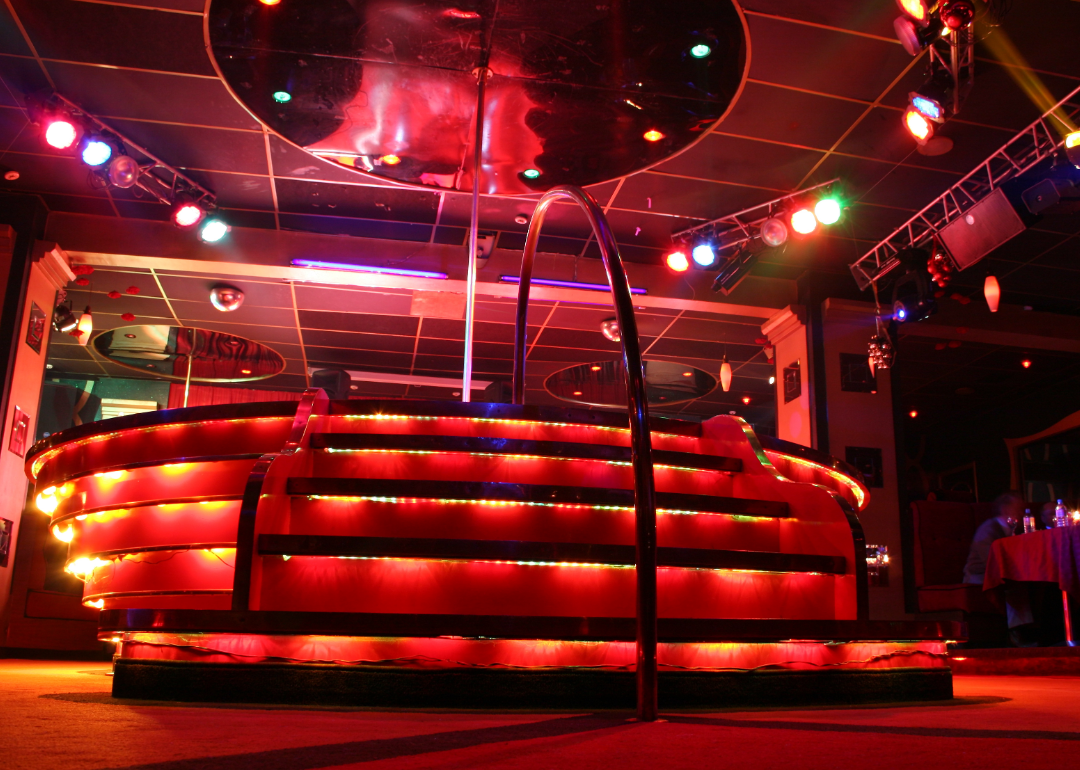
Although New York City is known for its nightlife (and its 4 a.m. last call), there’s one aspect of its entertainment offerings that restricts alcohol entirely: all-nude strip clubs. Gentlemen’s clubs that feature exotic dancers who bare it all aren’t eligible for liquor or beer and wine licenses, so selling a bottle of bubbly at one of these clubs could get a proprietor busted.
2. Keep the booze away from the communion wine, New York State
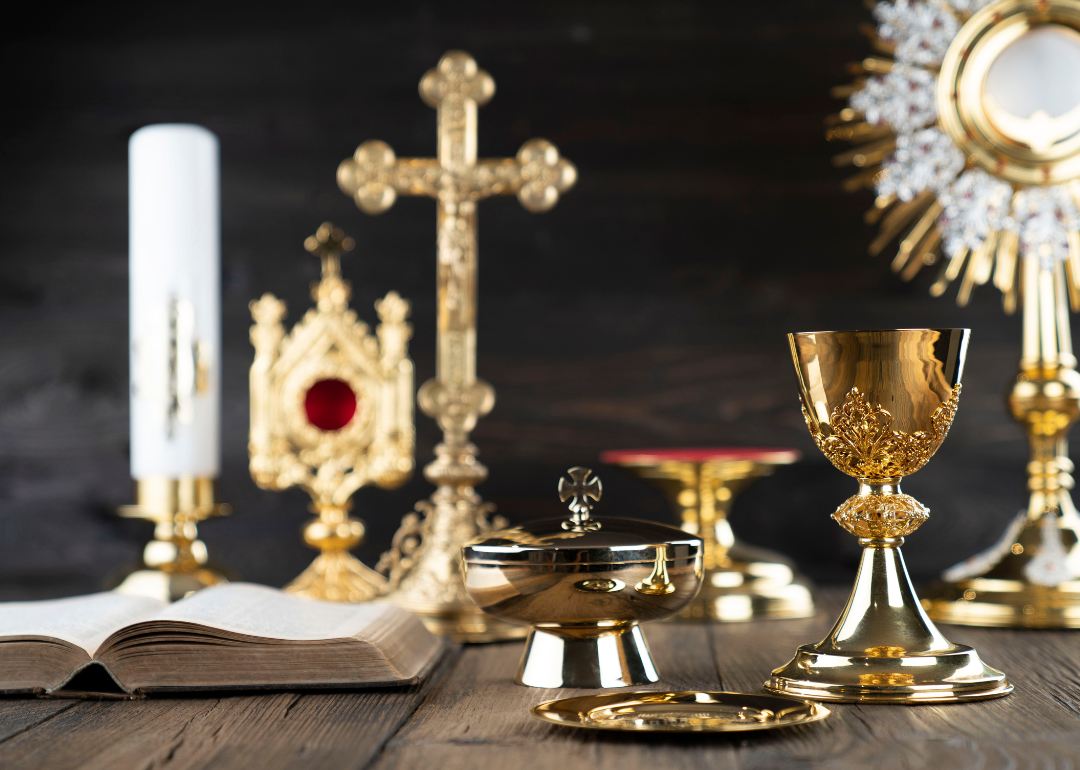
New York’s State Liquor Authority prohibits the sale of hard liquor (whiskey, vodka, etc.) within 200 feet of a place of worship or a school. While bars and restaurants in close proximity to a church or synagogue can get a license to sell beer and wine, a full liquor license is off-limits.
3. No hooch on a horse, California
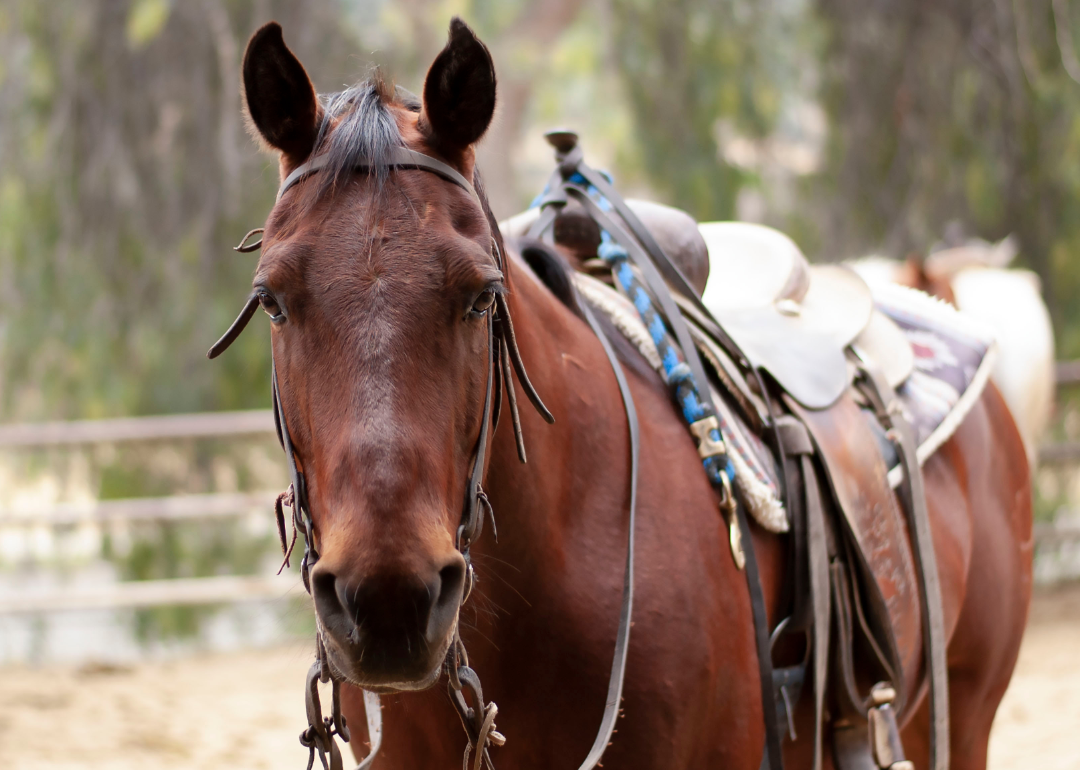
Throughout California, even adults of legal drinking age can’t enjoy an adult beverage while galloping down the street. That would be in violation of the state’s open container law because horses are considered vehicles under the state vehicle code, which also means you could get busted for a DUI if you’re found drunk while behind the reins. And that’s not all, you could also get charged with animal cruelty if the horse gets hurt in a drunk-riding accident. In the event that you’re charged with a DUI on your horse, or in your vehicle.
4. Dry by default, Tennessee
Tennessee is one of three by-default “dry states” in the U.S. Translation: By default, the sale and public consumption of “intoxicating liquors” is outlawed. It’s then up to each county government to apply to the Tennessee Alcoholic Beverage Commission to become “wet” for alcohol retail in order to be permitted fully. Some counties, like Sevier County (home of Dollywood), go for the “moist” (or semi-wet) option, which allows for alcohol on a city-by-city basis under a number of restrictions.
5. Perpetual Prohibition, Kansas
Kansas is the only U.S. state that never voted to ratify the 21st Amendment, which repealed Prohibition. By default, the state remains “dry,” and individual counties must pass a local ordinance to allow alcohol sales.
6. Mommy-and-me martinis, Ohio
Ohio law makes an exception to the national drinking age of 21. It is legal for a person under 21 to consume alcohol in a public place, as long as they are accompanied by a parent or legal guardian who provides the drink.
7. No tippling till the polls close, Alaska
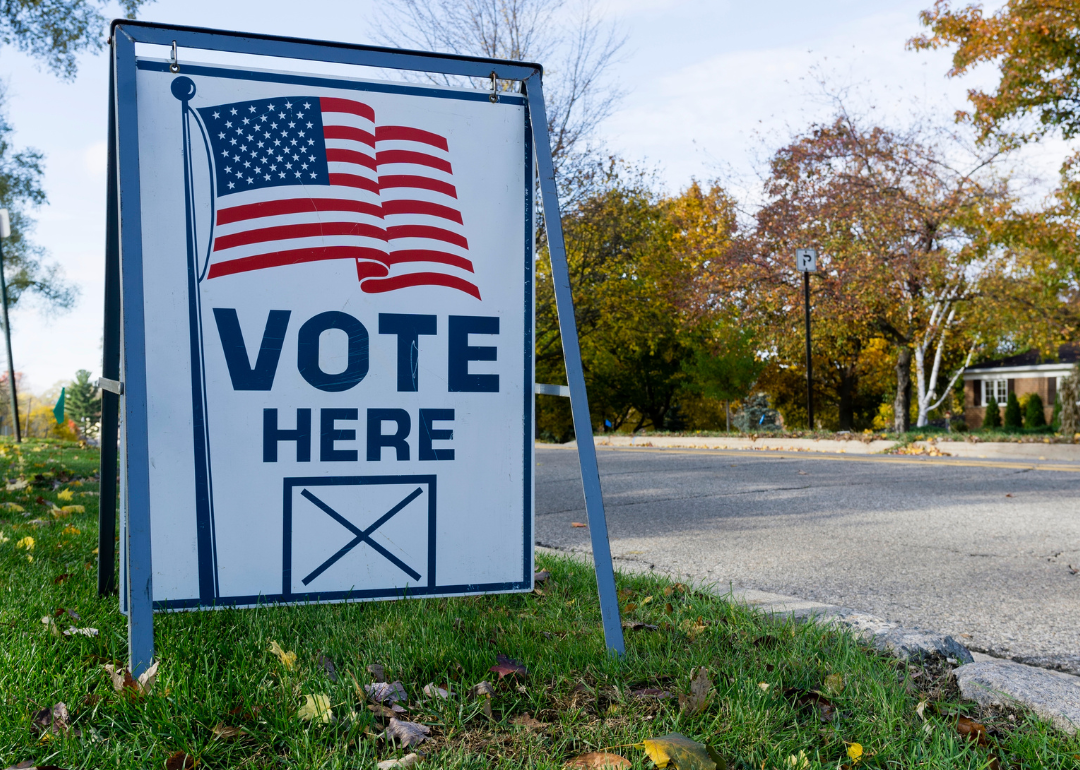
Alaska has a law on the books that bans the sale or serving of alcohol until all polls close on Election Day, which is typically 8 p.m.
8. Sober for Santa, Allegany County, New York
In Allegany County, New York, grocery stores, convenience stores, and bars must stop selling alcohol at 10 p.m. on Christmas Eve, unlike their normal late-night hours. However, liquor and wine stores are exempt from this early closing time.
9. Happy hour hindrance, Massachusetts
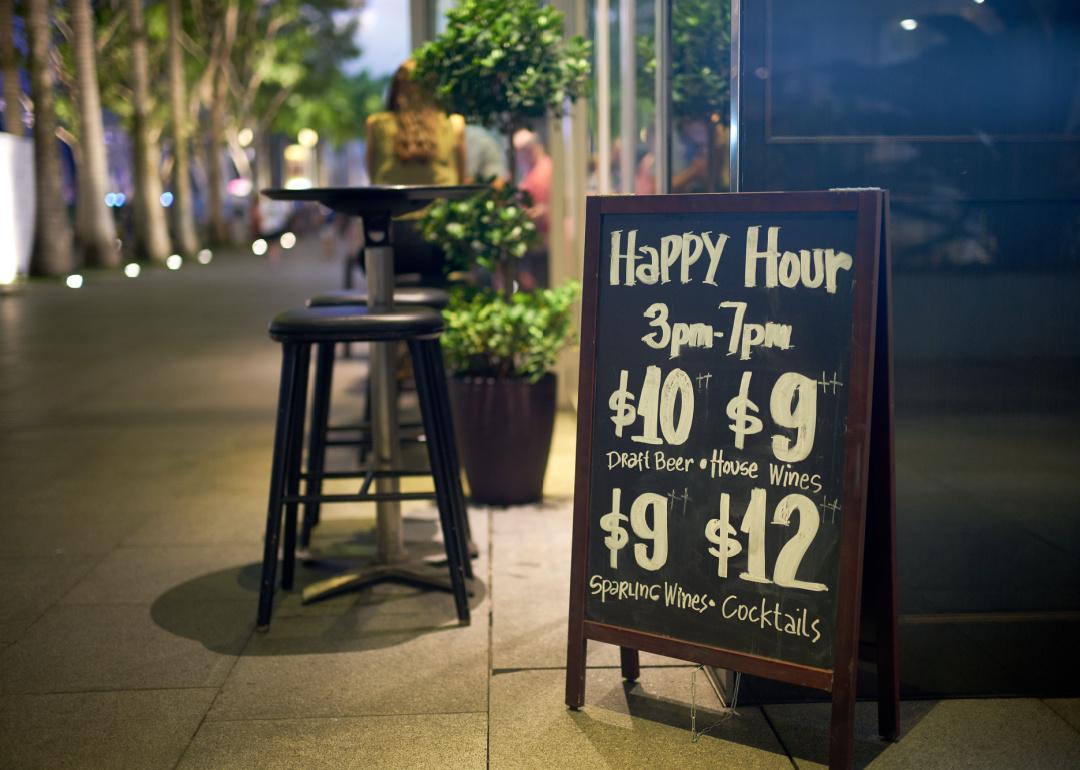
Massachusetts has a statewide ban on happy hour. The law prohibits bars and restaurants from offering discounted drink specials during specific hours. Drink prices must remain constant for the entire calendar week.
10. Straw-sipping at the daiquiri drive-thru, Louisiana
Louisiana allows drive-thru daiquiri stands, but with a unique loophole to the open container law. The drink must be frozen, and the lid must not have a straw inserted into it. If a straw is found in the cup, you can be cited for an open container violation.
11. Cold beer crime, Indiana
It is a Class B misdemeanor in Indiana for grocery stores, convenience stores, and drug stores to sell chilled beer. This “cold beer law” is a relic from a post-Prohibition “blue law” and makes Indiana the only state to regulate alcohol sales based on temperature. Liquor stores and breweries are exempt.
12. Banned bottomless brunch, Oklahoma
Oklahoma law prohibits establishments from offering “bottomless” alcoholic beverages or buy-one-get-one deals for a single fixed price. While patrons can buy as many drinks as they want per serving, unlimited drink deals are illegal.
13. Wasted while at home, Utah
In Utah, it is illegal to “get drunk” anywhere in the state, even in a private residence. The law states that you can be charged with a Class C misdemeanor for being intoxicated and “unreasonably” disturbing someone else. Utah also has the strictest DUI law in the country, with a blood alcohol content (BAC) limit of 0.05%.
14. Hands off the barkeep, Nebraska
Nebraska’s Liquor Control Commission has a strict rule that prohibits physical contact between a customer and a staff member at a licensed establishment, specifically mentioning “any kissing, or any touching of the breast, buttock, or genital areas.”
15. Don’t bring your cows home drunk, United Kingdom
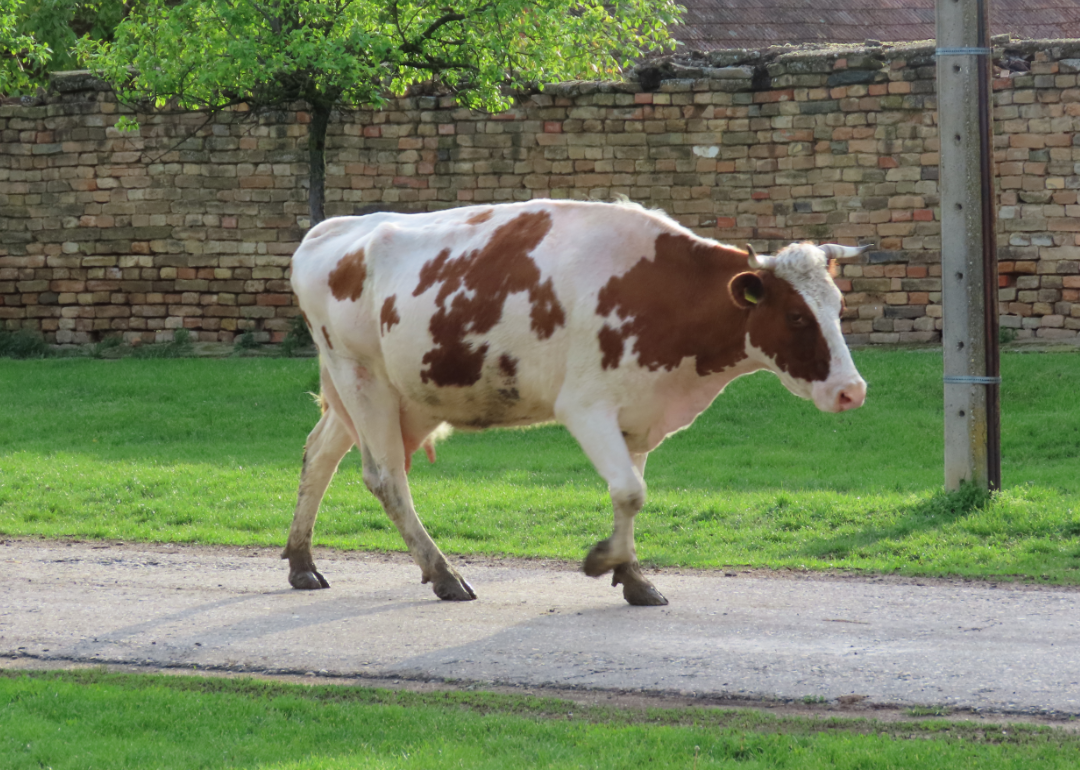
The UK’s Licensing Act of 1872, which is still largely enforced, makes it illegal to be in charge of a cow while drunk.
16. Whipped for wine consumption, Saudi Arabia
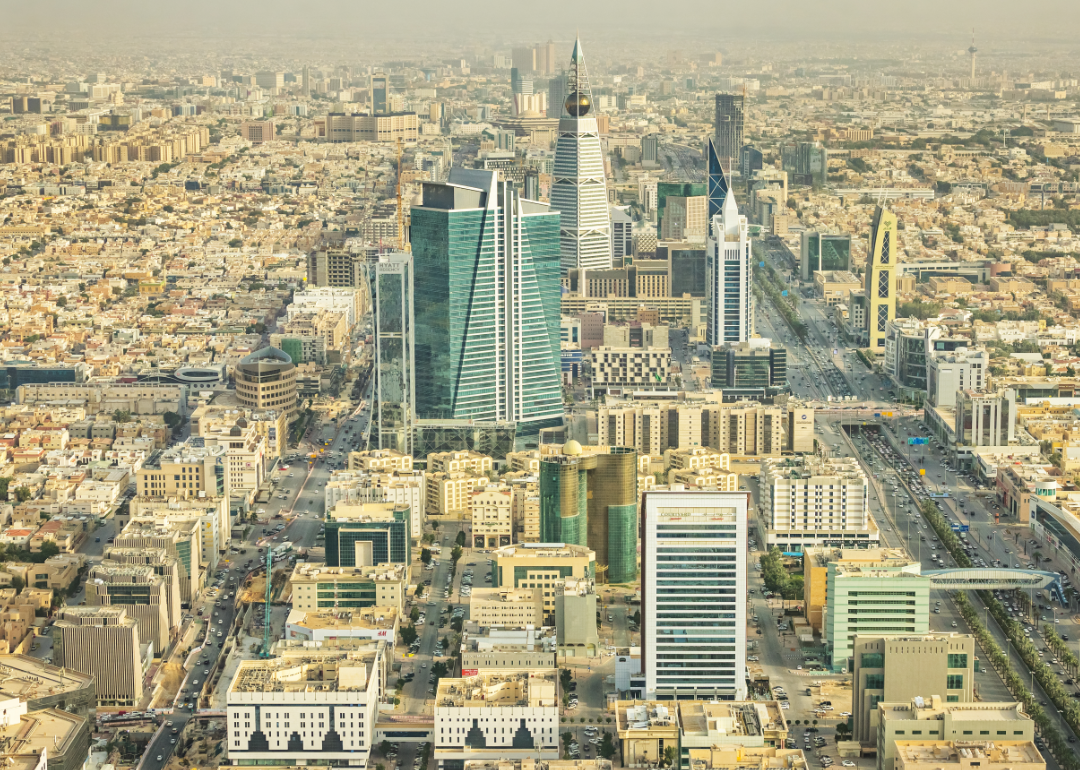
In Saudi Arabia, the production, sale, consumption, or possession of alcohol is strictly forbidden under Shariah (Islamic) law. Violators can be punished with a mandatory flogging.
17. Keep your beer unadulterated, Germany
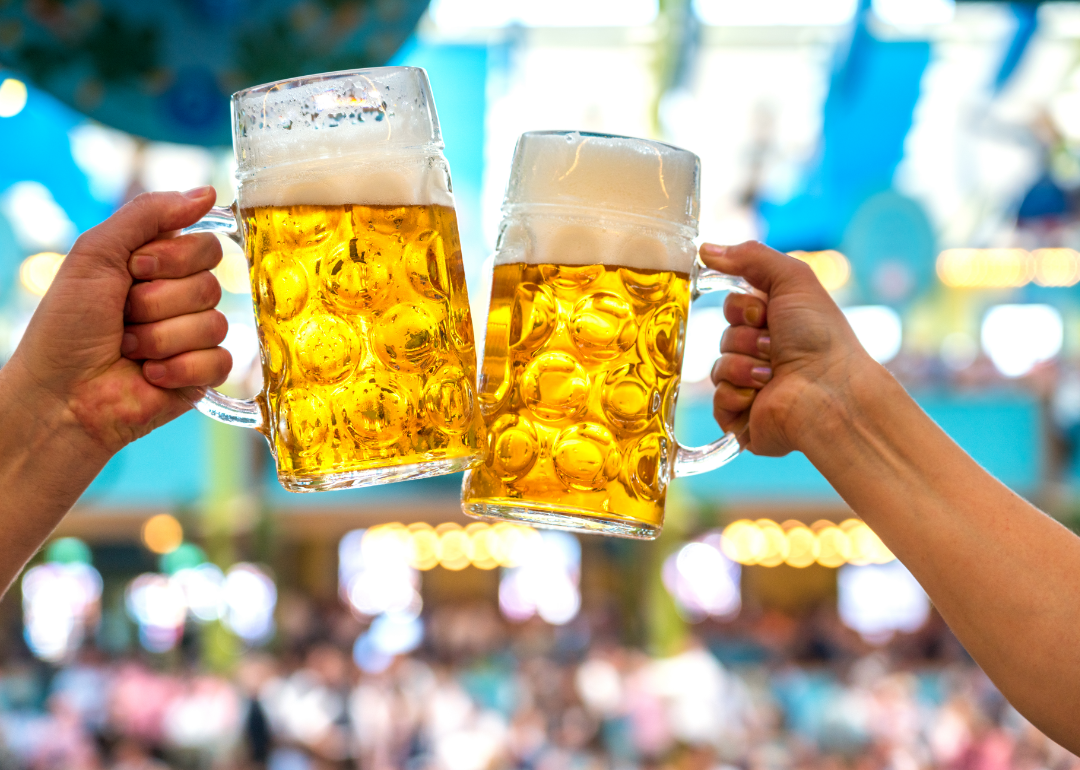
Germany’s “Reinheitsgebot” (beer purity law) was issued in 1516 and is still used as a guideline today. It originally banned the use of wheat in beer production to save it for bread-making and restricted beer ingredients to water, hops, and malted grains. While no longer legally enforced with confiscation, it remains a symbol of German brewing heritage.
Frequently Asked Questions About Unusual Alcohol Laws
Can drinking alcohol in one country get me in legal trouble in another?
Yes. Alcohol laws vary widely across countries and even cities. Some places have strict rules about public consumption, drinking age, or alcohol transport, so actions that are legal at home could result in fines, arrests, or other penalties abroad.
Are there countries where alcohol possession is completely prohibited?
Yes. Certain countries have strict religious or legal restrictions on alcohol, where possession, sale, or consumption is banned entirely. Travelers should research local laws to avoid accidental violations and understand exceptions for non-Muslims in some countries.
How can I stay safe and legal while traveling internationally with alcohol?
To stay compliant, always check local regulations regarding drinking age, public consumption, and transport limits. When in doubt, avoid consuming alcohol in public, purchase from legal vendors, and respect local customs to prevent fines or legal trouble.